
- Home/
- Buy Zithromax Online in the United States – Fast and Easy Ordering
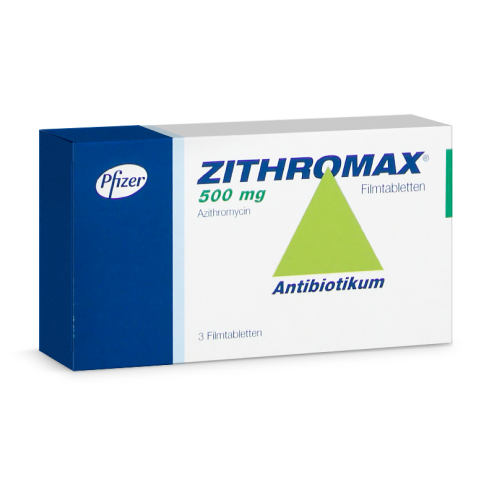
| Brand Name | Zithromax |
|---|---|
| Main Active Substance | Azithromycin |
| Therapeutic Use | Prescription antibiotic to treat bacterial infections |
| Strength Choices | 250 mg, 500 mg tablets; oral suspension (100 mg/5 mL, 200 mg/5 mL) |
| How Fast It Starts Working | Noticeable improvement typically within 24 to 48 hours |
| How Long Effects Last | Active in the body for up to 5 days after last dose |
| How You Take It | Daily, course is usually 3–5 days |
| Prescription Requirement in US | Mandatory for legal purchase |
| Food Guidance | Can be taken with or without food, but food may reduce stomach upset |
Zithromax: Clinical Guidance and Real-World Use in the United States
Zithromax, containing the active ingredient Azithromycin, is a widely prescribed antibiotic used to combat a range of bacterial infections. It is legally available in the United States, provided you have a valid prescription. This guide covers not only its functions but the real questions that arise from actual use, so you understand how — and when — Zithromax makes sense for you.
Understanding the Problem: The Scope of Bacterial Infections
Bacterial infections remain a common and treatable cause of illness in the United States. According to the Centers for Disease Control and Prevention (CDC), in 2022, approximately 270 million antibiotic prescriptions were filled in outpatient settings nationwide. These infections can range from minor throat and ear infections to more serious illnesses like pneumonia and certain sexually transmitted diseases. The widespread nature of these infections underlines why effective antibiotics are essential in modern medicine — and why questions about the right choice, safety, and effectiveness are so pressing.
How Zithromax Works: Mechanism and Patient Experience
Azithromycin, the active agent in Zithromax, targets bacteria by interfering with their ability to produce proteins vital for their growth and survival. By blocking this process, Azithromycin either stops the bacteria from multiplying or kills them directly, depending on the infection and dose. For you, this translates to a reduction in symptoms — such as fever, pain, or discharge — typically within 24 to 48 hours after starting the course. Importantly, Zithromax stays active in body tissues for several days even after the last tablet is taken, helping to ensure lingering bacteria are cleared and reducing the likelihood of a relapse.
Is Zithromax Right For You? Choosing Based on Life Situations
| Your Situation | Zithromax? | Reasoning |
|---|---|---|
| You have been diagnosed with a respiratory infection (e.g., bronchitis, pneumonia) and your doctor suspects a bacterial cause. | Yes, commonly recommended | Zithromax is effective for many respiratory tract infections caused by susceptible bacteria; short course and once-daily dosing add convenience. |
| You have a known allergy to macrolide antibiotics (such as erythromycin or clarithromycin). | No | Azithromycin belongs to this class; risk of allergic reaction outweighs benefits. Alternative classes should be considered. |
| You are being treated for a sexually transmitted infection such as chlamydia or non-gonococcal urethritis. | Often yes | Zithromax is a first-line choice for certain STIs, with the advantage of single-dose regimens in some cases. |
| You have liver disease or significant hepatic impairment. | Usually not | Because Azithromycin is processed mainly by the liver, impaired function may increase risk of toxicity. Alternative antibiotics are preferred in moderate-to-severe liver disease. |
| You want an antibiotic “just in case” for a viral infection like a cold or flu. | No | Antibiotics do not treat viruses, and inappropriate use promotes resistance and can cause harm. |
This table clarifies that Zithromax is not universally suitable — its appropriateness depends on diagnosis, allergies, organ function, and the actual cause of your infection. When in doubt, your medical history and a doctor’s input are decisive.
How to Use Zithromax: Practical Guidance and Special Situations
- Standard use: Zithromax is usually taken once daily, with or without food. Taking it with food may help reduce digestive upset.
- Completing the course: Always finish the prescribed course, even if you feel better before it ends. Stopping early increases the risk of incomplete treatment and bacterial resistance.
- If you miss a dose: Take the missed dose as soon as you remember, unless it’s almost time for the next dose. Do not double up.
- If it doesn’t seem to work: If symptoms don’t improve within 2–3 days, or if they worsen, you should contact your healthcare provider. Some bacteria are resistant, or you may have a condition that needs a different approach.
- After finishing: Most people do not need further medication if symptoms resolve. If symptoms recur, seek medical advice rather than restarting leftover pills — incomplete or repeated use can worsen resistance.
For children, doses are based on weight and the type of infection. Suspension (liquid form) should be shaken well before measuring, and dosage must be accurate. Zithromax is not suitable for every infection or every patient — always follow your doctor’s guidance on use and duration.
Safety First: Contraindications Explained
- Allergy to azithromycin or other macrolides:
- Use is strictly avoided because of the risk of severe allergic reactions, which can include swelling, rash, or breathing difficulties.
- Liver dysfunction:
- Zithromax is mainly processed by the liver, so pre-existing significant liver disease increases the risk of toxicity or further liver damage.
- History of heart rhythm disorders (especially QT prolongation):
- Because Azithromycin can affect heart rhythm, it is not recommended for people with known prolongation of the QT interval or those taking medications that also lengthen the QT interval. The risk is life-threatening arrhythmias.
- Infants under 6 months (for oral suspension):
- Safety and effectiveness are not established in this age group, so alternative antibiotics are used.
If you are unsure whether you fall into one of these categories, discuss your full medical history with your doctor prior to starting treatment. In many cases, a suitable alternative is available.
What to Expect: Side Effects and When to Act
- Common, usually mild: Nausea, diarrhea, abdominal pain, and headache. These symptoms tend to resolve on their own after a few days.
- Occasional, may require advice: Mild rash, changes in taste, fatigue, or mild increase in liver enzymes (detected on blood work). Contact your doctor if these persist or worsen.
- Rare, but serious — seek immediate care: Severe allergic reactions (swelling of lips, face, throat; difficulty breathing), rapid irregular heartbeat, severe skin reactions (blistering or peeling). These are medical emergencies and require immediate attention — call 911 or go to the nearest emergency department in the United States.
Most people experience no or only minor side effects. If you experience symptoms that are severe, rapidly worsening, or involve difficulty breathing or loss of consciousness, do not wait — call emergency services (911) immediately.
Medication Interactions: What Not to Combine with Zithromax
Zithromax may interact with other medications, potentially increasing risks or reducing effectiveness. Notable interactions include:
- Antacids containing aluminum or magnesium: May reduce absorption of Zithromax if taken simultaneously. Separate doses by at least 2 hours.
- Drugs that prolong the QT interval: Such as certain antiarrhythmics (amiodarone, sotalol), antipsychotics, and some antidepressants. Combining these increases risk of dangerous heart rhythms.
- Warfarin (blood thinner): Azithromycin may enhance the effect, increasing bleeding risk. Close monitoring of blood clotting is recommended.
- Other antibiotics: Combining antibiotics can alter effectiveness and side effect risk; always inform your doctor of all medications you are taking.
Always provide your prescriber with a full list of medications and supplements. If you are prescribed Zithromax by a new provider, mention existing therapies to avoid harmful interactions.
Zithromax Versus Other Antibiotics: Comparison and Alternatives
| Medication | Typical Use | Length of Course | Advantages | Limitations |
|---|---|---|---|---|
| Zithromax (Azithromycin) | Respiratory, skin, some STIs, ear infections | 3–5 days | Once daily dosing, short course, well-tolerated | Not effective for all bacteria, QT risk, not for liver impairment |
| Amoxicillin | Respiratory, ear, urinary tract infections | 7–10 days | Very broad spectrum, generally safe | Ineffective against some resistant bacteria, may require more frequent dosing |
| Doxycycline | STIs, respiratory, some tick-borne illnesses | 7–14 days | Effective for a wide range of infections | Requires twice daily dosing, not suitable in pregnancy or for children under 8 |
Zithromax stands out for its convenience and broad application but may not be appropriate for all infections — especially those caused by bacteria resistant to macrolides or in cases where liver function is compromised. Your prescriber will consider local resistance patterns and personal health factors when choosing the ideal antibiotic.
Getting Zithromax: Cost, Access, and What to Expect in the US
| Cost Item | Amount (USD) | Context |
|---|---|---|
| Doctor consultation (in-person or telemedicine) | $75–$200 | Required for prescription; telemedicine may be less expensive and faster |
| Prescription processing fee | $0–$25 | Some pharmacies or telehealth services charge this; many do not |
| Zithromax tablets or suspension (full course) | $15–$50 | Generic versions (azithromycin) are usually at the lower end of the range |
| Pharmacy delivery | $5–$20 | Varies by location and urgency (standard vs. express) |
| Total | $95–$295 | Telemedicine + generic + standard delivery = lower end; in-person + branded + express delivery = higher end |
In the United States, a prescription is legally required for Zithromax. The FDA (Food and Drug Administration) is the regulator overseeing antibiotic approvals and market safety. While some online pharmacies may offer purchase without a prescription, doing so carries significant legal and health risks, including counterfeit medication and lack of professional oversight. Most insurance plans cover some or all of the cost; generics are equivalent in efficacy and are widely available. Delivery options range from pick-up at a local pharmacy to next-day shipping, depending on the pharmacy’s infrastructure and your location.
What Else Might You Still Wonder?
Dr. Jennifer Martin, Infectious Disease Specialist (Medical Reviewer): “A question I often hear is — can taking Azithromycin ‘just in case’ prevent infections or speed recovery from a cold? The answer is no: antibiotics like Zithromax only target bacteria, not viruses, and overuse can make future infections harder to treat. If you ever experience unexpected or severe reactions — especially difficulty breathing, chest pain, or swelling — seek emergency care immediately. For routine side effects, keep your prescriber informed, and never restart leftover antibiotics on your own.”
Finally, remember that antibiotic resistance is a growing concern: using Zithromax only when genuinely indicated protects your health — and helps preserve the effectiveness of these drugs for everyone.