- Home/
- Buy Antabuse in Online Pharmacy for United States Customers
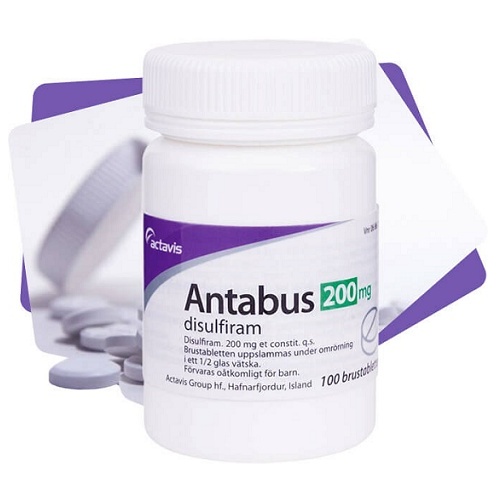
Antabuse (Disulfiram) in the United States: The Complete Guide to Safe, Effective Use for Alcohol Dependence
Key Facts: Quick Reference Table
| Parameter | Details |
|---|---|
| Active Ingredient | Disulfiram |
| Main Use | Treatment of alcohol dependence |
| Prescription Required (U.S.) | Yes (Rx only) |
| Onset of Action | Within 12 hours of first dose |
| Duration of Effect | Up to 1-2 weeks after last dose |
| Absolute Contraindication | Active liver disease, severe cardiovascular disease, recent alcohol use |
| Insurance Coverage | Often covered by Medicare/Medicaid and private insurance |
| Generic Available? | Yes (as disulfiram) |
Bottom line: Antabuse is a prescription-only medication in the United States for alcohol dependence. It induces unpleasant effects if alcohol is consumed, helping promote abstinence. Consult your healthcare provider for suitability and safe prescribing.
Can You Get Antabuse Without a Prescription in the United States?
No, it is illegal to obtain Antabuse (disulfiram) without a valid prescription in the United States. The U.S. Food and Drug Administration (FDA) classifies Antabuse as a prescription medication due to its potential for severe reactions if misused. Buying from sources that do not require a prescription is illegal and extremely risky—counterfeit or unsafe products are common.
How Does Antabuse Work in the Body?
Antabuse (disulfiram) acts by irreversibly inhibiting aldehyde dehydrogenase, an enzyme crucial for metabolizing alcohol. When you drink alcohol, it is broken down in the liver to acetaldehyde (a toxic intermediate) and then to acetic acid. Disulfiram blocks the second step, leading to a rapid accumulation of acetaldehyde.
What does this mean physiologically? The buildup of acetaldehyde triggers a cluster of highly unpleasant symptoms—flushing, pounding headache, chest pain, nausea, vomiting, sweating, confusion, palpitations, and anxiety—within 10–30 minutes of drinking alcohol. This is known as the “disulfiram-ethanol reaction.”
Metaphor: Imagine your body as a two-stage waste-processing plant. Antabuse blocks the second stage, causing toxic waste (acetaldehyde) to accumulate and set off alarm bells—so you associate alcohol with a negative experience.
Key point: Antabuse does not remove the craving for alcohol; it acts as a strong deterrent by creating a physical aversion.
- Requires total abstinence from alcohol before starting and during treatment, including hidden sources (mouthwash, sauces, some medications).
- The deterrent effect can last up to two weeks after stopping Antabuse.
Recent studies (2022–2024) confirm: Disulfiram’s effectiveness is linked to patient motivation, adherence, and support systems—not just the pharmacological action.[1]
How to Take Antabuse: Dosage, Timing, and Important Instructions
| Population | Starting Dose | Maintenance Dose | Max Daily Dose |
|---|---|---|---|
| Adults (18-65) | 500 mg once daily (1-2 weeks) | 250 mg once daily (typical) | 500 mg |
| Elderly or Hepatic Impairment | Lower initial dose, titrated carefully | Individualized | 250 mg recommended max |
- Take Antabuse in the morning, with or without food. If drowsiness occurs, dose may be taken at night.
- Do not crush or split tablets unless directed by your doctor. Some generics may be scored for splitting; check packaging or ask your pharmacist.
- You must not consume alcohol for at least 12 hours before starting Antabuse, and for at least 1–2 weeks after stopping.
- Missed a dose? Take as soon as remembered the same day; skip if close to next dose—do not double up.
- Therapy duration is typically 6 months to 1 year, but some patients may benefit from longer use if tolerated.
Never exceed the recommended daily maximum. Higher doses do not increase effectiveness but raise the risk of toxicity.
Peak effect: The deterrent effect begins within 12 hours and is fully established by 24 hours after the first dose. It can persist for up to 2 weeks post-discontinuation.
Interactions with Food, Alcohol, and Lifestyle Habits
- Food:
- Taking Antabuse with food may reduce stomach upset. High-fat meals do not significantly alter absorption.
- Alcohol:
-
- Strictly prohibited—even small amounts can trigger severe reactions. This includes “hidden” sources: sauces, vinegars, cough syrups, aftershaves.
- Unsafe threshold: Reactions can occur with as little as 10 mL of alcohol.
- Grapefruit juice:
- No significant interaction reported with disulfiram.
- Caffeine, nicotine, other substances:
- No major interactions, but tobacco cessation is encouraged for overall health.
- OTC and prescription drugs:
-
- Caution with metronidazole, isoniazid, phenytoin—can cause severe side effects.
- Always inform your prescriber about all medications and supplements.
Myth vs Reality: Myth: “A little alcohol is safe with Antabuse.” Reality: No amount is safe—serious or even life-threatening reactions can occur with minimal intake.
Who Should Not Take Antabuse? Absolute and Relative Contraindications
- Known allergy to disulfiram or thiuram derivatives
- Alcohol intoxication or recent alcohol consumption (within 12 hours)
- Severe liver disease (hepatitis, cirrhosis with impaired function)
- Psychosis or severe mental illness
- Severe cardiovascular disease (e.g., history of myocardial infarction, arrhythmias)
- Pregnancy or breastfeeding
- Mild or compensated liver disease (requires regular liver function monitoring)
- Diabetes mellitus (risk of hypoglycemia with alcohol reactions)
- Epilepsy or seizure history
- Chronic kidney disease (dose adjustment may be necessary)
- Elderly patients (more sensitive to side effects)
Why? Disulfiram can cause hepatotoxicity and has central nervous system effects. Severe cardiovascular or psychiatric illness increases risk of dangerous reactions.
Drug Interactions: Compatibility Table
| Medication/Class | Safe to Combine? | Potential Consequence |
|---|---|---|
| Nitroglycerin | No | Severe hypotension, life-threatening risk |
| Metronidazole (Flagyl) | No | Confusion, psychosis |
| Phenytoin | Monitor | Increased toxicity risk |
| Warfarin | Monitor | Increased anticoagulant effect |
| SSRIs, SNRIs | Yes | No significant interaction |
| Oral contraceptives | Yes | No significant interaction |
Important: Always provide your doctor with a complete medication list before starting Antabuse.
What Side Effects Are Most Common with Antabuse?
- Drowsiness, fatigue
- Metallic or garlic-like aftertaste
- Headache
- Dermatitis, skin rash or itching
- Impotence or decreased libido
- Gastrointestinal upset: nausea, vomiting (even without alcohol)
- Liver enzyme elevations
- Peripheral neuropathy (tingling, numbness in hands/feet)
- Psychosis, mood changes, confusion
- Severe hepatitis or liver failure
- Optic neuritis (vision changes)
Mechanism of most frequent effects: Liver and nerve side effects are due to the accumulation of toxic metabolites. Skin reactions are likely allergic.
What to do if you experience side effects:
- Mild: Report to your doctor at your next visit.
- Severe (yellowing of eyes/skin, dark urine, confusion, persistent vomiting): Stop the medication and seek immediate medical attention.
Bottom line: Most side effects are mild and transient, but rare serious complications can occur—especially severe liver injury. Routine blood tests are essential.
Antabuse vs Other Alcohol Dependence Medications: Which Is Right for You?
| Parameter | Antabuse (Disulfiram) | Naltrexone | Acamprosate |
|---|---|---|---|
| Mechanism | Alcohol aversion via acetaldehyde accumulation | Opioid antagonist; reduces craving/reward | Glutamatergic modulator; reduces withdrawal symptoms |
| Onset | 12–24 hours (deterrent effect) | Within days (craving reduction) | Within days |
| Main Benefit | Strong deterrent if motivated | Blocks reward, helps reduce drinking | Stabilizes abstinence, fewer side effects |
| Main Limitation | Strict abstinence needed | Cannot use with opioid therapy | Requires 2–3 daily dosing |
| Common Side Effects | Drowsiness, metallic taste, liver issues | Nausea, headache, liver risk | Diarrhea, anxiety, insomnia |
| Cost/Insurance | Low; generics available | Generics; variable coverage | Moderate; covered by most plans |
Expert commentary: Antabuse works best for highly motivated individuals or those needing external structure (e.g., court-mandated programs) and with strong social support. Naltrexone and acamprosate target brain chemistry and may suit those struggling with cravings or withdrawal. Choice should be individualized by a specialist.
Pharmacokinetics: How the Body Processes Antabuse
Absorption: Disulfiram is absorbed from the gut, reaching peak blood levels in 8–12 hours. The onset of the deterrent effect is generally within 12 hours.
Metabolism: It is primarily metabolized in the liver and excreted via urine (as metabolites) and feces. Its inhibition of aldehyde dehydrogenase is irreversible on the enzyme level—restoration depends on new enzyme synthesis.
Elimination half-life: Highly variable, but the deterrent effect lasts up to 14 days after the last dose, due to enzyme inhibition, not plasma drug levels.
Caution: People with liver or kidney impairment process Antabuse more slowly and are at higher risk for accumulation and toxicity. Dose adjustment and close monitoring are required.
Driving and machinery: May cause drowsiness or confusion. Avoid operating dangerous machinery or driving until you know how Antabuse affects you.
Special Patient Populations: What You Need to Know
- Elderly adults:
- Increased sensitivity to side effects; start with lower doses and monitor closely for confusion or liver dysfunction.
- Liver or kidney disease:
- May need dose reduction or alternative therapy; do not use in severe liver impairment.
- Pregnancy and breastfeeding:
- Not recommended due to potential harm to fetus or infant.
- Mental health conditions:
- Not suitable for those with severe psychiatric illness (psychosis, suicidality) due to risk of worsening symptoms.
- Ability to drive/work:
- May cause drowsiness or confusion—caution required, particularly in the first weeks.
- Family planning/fertility:
- No evidence for direct effects on fertility, but alcohol abstinence improves reproductive health overall.
Bottom line: Each case is unique—discuss your full medical history with your provider before starting Antabuse.
How to Obtain Antabuse Legally in the United States: Step-by-Step
- Consult a qualified physician or addiction specialist. This can be in person or via a licensed telemedicine service. Your doctor will take your history, check for contraindications, and order baseline labs (especially liver function tests).
- Receive a written or electronic prescription. Only a licensed U.S. healthcare provider can prescribe Antabuse—online pharmacies advertising “no prescription needed” are illegal.
- Fill your prescription at a licensed pharmacy. You may use a local pharmacy (e.g., CVS, Walgreens, Rite Aid) or a verified online pharmacy. Look for verification seals such as the NABP’s .pharmacy program.
- Insurance coverage check. Present your insurance information at the pharmacy; many plans cover generic disulfiram.
- Begin therapy only under medical supervision. Your doctor will instruct you on when to start, often after a period of abstinence and lab confirmation.
- Follow-up visits. Regular follow-up (in-person or via telehealth) is required to monitor side effects, effectiveness, and adherence.
Never buy Antabuse from overseas or unregulated sites. Risks include counterfeits, legal penalties, or customs seizure.
How to Recognize Genuine Antabuse and Avoid Counterfeits
- Original packaging: U.S.-approved Antabuse or generic disulfiram comes in labeled blister packs or bottles, with FDA-mandated lot numbers, expiration dates, and manufacturer details.
- Tablet appearance: Tablets are typically white/off-white, round, and may be scored for splitting. Packaging and labeling should match the manufacturer’s official images.
- Security features: Some U.S. manufacturers add QR codes or hologram stickers; check for these where present.
- Unusually low price: A “cheap” Antabuse offer online is a red flag—counterfeit drugs often appear below market price.
- Generics: FDA-approved generics are subject to strict quality control. Inactive ingredients (excipients) may differ—if you have known allergies, consult your pharmacist for a list.
Tip: If in doubt, ask your pharmacy for the package insert or check the National Drug Code (NDC) via the FDA NDC Directory.
What to Do in Case of Overdose
- Stop taking Antabuse immediately.
- Contact poison control at 1-800-222-1222 or call 911 if the patient is unresponsive, has trouble breathing, or severe symptoms.
- Provide all details: Dose, time taken, current symptoms, and whether alcohol has been consumed.
- Do not attempt to treat at home; severe reactions require professional care.
Early symptoms of overdose: Nausea, vomiting, abdominal pain, confusion, psychosis, low blood pressure, cardiac arrhythmias.
Insurance, Costs, and Availability in the United States
- Insurance: Most commercial insurance plans, Medicare, and Medicaid cover generic disulfiram.
- Pharmacy price: As of 2026, generic disulfiram typically costs $20–$60/month (uninsured), but prices vary by state and pharmacy chain.
- Assistance programs: Manufacturer coupons, state-funded addiction programs, and nonprofit discount cards may further reduce cost.
- Pharmacy availability: Widely stocked at major chains and independent pharmacies nationwide.
- Mail order and telehealth: Legal if prescribed by a U.S.-licensed provider; ensure your pharmacy is NABP-verified.
Bottom line: Generics make Antabuse affordable; insurance and state programs may cover most or all costs for eligible patients.
Psychological Support: You’re Not Alone
“I’m nervous about starting, but I want to make a real change. My doctor said Antabuse is just one tool—and having someone to talk to makes all the difference.” — Mark, 42, Chicago
Alcohol dependence is a medical condition, not a moral failure. If you feel isolated or discouraged, know that support is available—from your healthcare team, family, and organizations like SAMHSA. Combining medication with counseling and peer support gives the best chance for lasting change.
Consider: Talking with a partner or joining a group. Success is higher when treatment is holistic, addressing both body and mind.
Frequently Asked Questions (FAQ)
- Can Antabuse be used every day?
- Yes, Antabuse is intended for daily use as prescribed, usually for several months to a year. Do not skip doses or stop abruptly without consulting your doctor.
- How soon after drinking alcohol can I start Antabuse?
- Wait at least 12 hours after the last drink, or until your doctor confirms you are fully sober; starting too soon can trigger severe reactions.
- Is Antabuse available as a generic?
- Yes, generic disulfiram is widely available and equally effective if FDA approved.
- Are there foods or products I must avoid while on Antabuse?
- Yes—avoid all alcohol-containing products, including some sauces, desserts, cough/cold medicines, mouthwashes, and aftershaves.
- What should I do if I have a reaction after accidental alcohol exposure?
- Stop drinking alcohol, contact your doctor, and seek emergency care for severe symptoms (chest pain, trouble breathing, collapse).
- Is it legal to buy Antabuse online without a prescription?
- No, U.S. law requires a valid prescription. Unregulated sites may sell counterfeits or unsafe products.
- What if Antabuse doesn’t work for me?
- Options include switching to another medication (naltrexone, acamprosate) or intensifying counseling. Never adjust or stop treatment without professional advice.
References
- FDA. “Disulfiram (Antabuse) Prescribing Information.” U.S. Food and Drug Administration, Accessed June 2026. https://www.accessdata.fda.gov/drugsatfda_docs/label/2026/005153s037lbl.pdf
- National Institute on Alcohol Abuse and Alcoholism. “Alcohol Use Disorder: A Comparison of Pharmacotherapies.” 2025. https://www.niaaa.nih.gov/alcohols-effects-health/treatment-research/research-pharmacological-treatment-alcohol-use-disorder
- Substance Abuse and Mental Health Services Administration (SAMHSA). “Treatment Improvement Protocol 49: Pharmacotherapy for Alcohol Use Disorder.” 2024. https://store.samhsa.gov/sites/default/files/pep21-02-01-005.pdf
- Lingford-Hughes AR, et al. “BAP updated guidelines: Evidence-based pharmacological treatment of substance use disorders, part two.” Journal of Psychopharmacology, vol. 38, no. 1, 2024. https://journals.sagepub.com/doi/10.1177/02698811231162451
- Krampe H, Ehrenreich H. “Supervised disulfiram as adjunct to psychotherapy in alcoholism treatment.” Current Pharmaceutical Design, 2022. https://pubmed.ncbi.nlm.nih.gov/35425678/