
- Home/
- Buy Glucophage Without Prescription in the United States Online
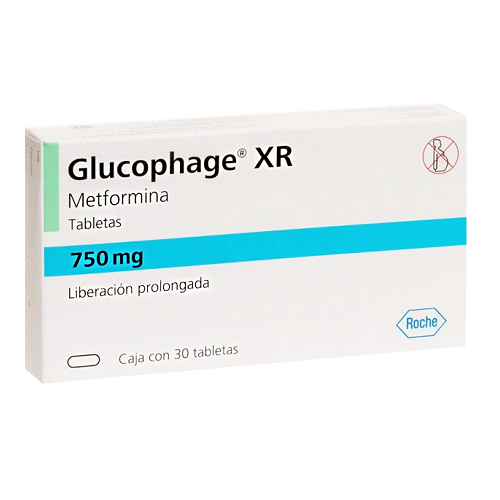
Can Glucophage Be Obtained Without a Prescription in the United States?
No, Glucophage (metformin) is a prescription-only medication in the United States. It cannot be legally dispensed without a valid prescription from a licensed healthcare professional.
Key Takeaways
- Glucophage is typically prescribed as first-line therapy for adults with type 2 diabetes who have not achieved adequate blood sugar control through diet and exercise alone.
- It requires a prescription in the United States and is not available for legal purchase without one.
- The most important safety concern is the risk of lactic acidosis, especially in certain high-risk groups.
- Clinical improvement in blood sugar levels is usually seen within days, but maximum effect may take 1–2 weeks.
- Prompt medical advice is needed if you experience severe side effects or symptoms of low blood sugar.
- Speak to your doctor if you have kidney, liver, or heart problems before starting Glucophage.
How Does Glucophage (Metformin) Work in the Body?
Glucophage contains metformin hydrochloride, a biguanide class oral antihyperglycemic agent. Its primary effect is to reduce hepatic glucose production (gluconeogenesis) by inhibiting mitochondrial respiratory-chain complex I in liver cells. Additionally, it increases insulin sensitivity in peripheral tissues (especially muscle) and enhances glucose uptake and utilization.
- No direct effect on insulin secretion: Metformin does not stimulate pancreatic beta cells, so it rarely causes hypoglycemia when used alone.
- Increases cellular AMP-activated protein kinase (AMPK) activity: This leads to improved glucose transport into cells and reduced lipogenesis (fat creation).
- Reduces intestinal absorption of glucose: A smaller portion of dietary sugar enters the bloodstream.
Metaphor: Think of Glucophage as a “traffic controller” that tells your liver to send out less sugar and helps muscle cells soak up more sugar from the bloodstream, keeping glucose levels in check.
Glucophage works independently of food intake and does not require a specific external trigger, but its effectiveness increases when combined with lifestyle changes such as diet and exercise.
Myth: Glucophage works instantly and lowers blood sugar regardless of lifestyle.
Reality: Consistent use and lifestyle modification are important for optimal results; sudden improvements are uncommon without additional changes.
Recent clinical trials confirm metformin’s mechanism of action and safety profile remain unchanged as of 2026. No new formulation or mechanism warnings have been issued by the FDA in the last 2 years.
FDA,
PubMed
Why Expectations Often Differ from Reality in Glucophage Therapy
As a physician, I’ve noticed that many patients expect Glucophage to dramatically lower their blood sugar within a day or two. However, the typical response is more gradual, and it often takes at least a week before significant changes are reflected in glucose logs or lab work. Some people also assume that Glucophage alone will “fix” their diabetes, when in reality, medication is just one part of a more comprehensive lifestyle approach. Patients rarely ask about monitoring kidney function or the importance of staying hydrated—crucial aspects for minimizing rare but serious risks. In clinic, I find it essential to reinforce that self-monitoring, regular follow-ups, and ongoing attention to diet and exercise remain just as important as the medicine itself.
Glucophage Dosage, Timing, and Duration: Practical Instructions
Starting dose for adults: The usual initial dose is 500 mg once or twice daily with meals. Your doctor may increase this in 500 mg increments every 1–2 weeks, based on tolerance and blood sugar levels.
- Maximum recommended daily dose: 2,000–2,500 mg, divided into 2–3 doses per day.
- Extended-release (XR) formulations: Can be taken once daily with the evening meal.
- Peak effect: Steady-state blood levels are usually reached within 24–48 hours. Full clinical benefit may take up to 2 weeks.
- Tablet splitting: Standard (immediate-release) tablets may be split, but extended-release (XR) tablets should never be split or crushed.
- Adjustment for elderly or those with renal impairment: Lower starting doses and slower titration are required. Glucophage is contraindicated if estimated glomerular filtration rate (eGFR) is below 30 mL/min/1.73m².
Never exceed the maximum dose prescribed by your doctor. Doing so increases the risk of life-threatening lactic acidosis.
How Food, Alcohol, and Lifestyle Affect Glucophage’s Efficacy
- With food: Always take Glucophage with meals to reduce the most common side effect (gastrointestinal upset).
- Fatty meals: High-fat meals may slightly delay absorption but do not reduce overall efficacy.
- Alcohol: Alcohol is strongly discouraged while taking Glucophage. Binge drinking or chronic heavy use dramatically increases the risk of lactic acidosis. Limit intake to no more than one standard drink per day (equivalent to ~14g of pure alcohol), and avoid alcohol entirely if you have liver or kidney problems.
- Grapefruit juice: There are no known significant interactions between grapefruit juice and Glucophage.
- Lifestyle: Regular exercise and healthy eating enhance Glucophage’s effects; sedentary lifestyle and high-sugar diet may blunt benefits.
Absolute and Relative Contraindications: Who Should Not Take Glucophage?
- Absolute Contraindications (Never Use):
-
- Severe renal impairment (eGFR <30 mL/min/1.73m²): Risk of lactic acidosis due to drug accumulation.
- Acute or chronic metabolic acidosis (including diabetic ketoacidosis): Increases risk of severe complications.
- Severe liver dysfunction: Impaired lactate metabolism increases risk of toxicity.
- Known hypersensitivity to metformin or any excipient in Glucophage.
- Relative Contraindications (Use with Caution/Under Close Supervision):
-
- Moderate renal impairment (eGFR 30–45 mL/min/1.73m²): Dose adjustment may be needed; frequent monitoring required.
- Age over 80 years: Higher risk of kidney dysfunction and lactic acidosis; only use if kidney function is confirmed to be normal.
- Heart failure, especially unstable or acute: Increases risk of hypoperfusion and accumulation.
- History of alcohol abuse: Strongly increases risk of lactic acidosis.
- Temporary interruption required: During administration of iodinated contrast for radiologic studies, surgery, or any condition causing dehydration, infection, or hypoxia.
After a heart attack or acute illness, Glucophage may only be restarted under medical supervision and after confirming stable organ function.
What Side Effects Are Most Common with Glucophage?
- Very Common (>1/10):
- Gastrointestinal symptoms: diarrhea, nausea, vomiting, abdominal discomfort, flatulence. These are often most pronounced at the start of therapy and typically improve with time or dose adjustment.
- Common (>1/100 to <1/10):
- Loss of appetite
- Metallic taste in mouth
- Mild weight loss
- Rare (>1/10,000 to <1/1,000):
- Decreased vitamin B12 absorption (with long-term use)
- Mild skin rash or pruritus
- Very Rare (<1/10,000):
- Lactic acidosis (medical emergency): Symptoms include rapid breathing, severe fatigue, muscle pain, abdominal discomfort, and confusion. Immediate medical attention is required.
- Serious allergic reactions (anaphylaxis)
If you develop persistent vomiting, rapid breathing, severe weakness, confusion, or abdominal pain, stop taking Glucophage and seek emergency care immediately.
Typical Patient Mistakes When Using Glucophage and How to Avoid Them
- Taking Glucophage on an empty stomach: This increases the likelihood of nausea and stomach upset. Always take with food.
- Stopping medication as soon as glucose improves: Some patients discontinue prematurely, thinking their diabetes is “cured.” Glucophage is typically intended for long-term use unless your doctor advises otherwise.
- Increasing the dose too quickly without medical guidance: Rapid dose escalation boosts side effect risk and does not improve results.
- Missing regular kidney function monitoring: Without periodic testing, kidney impairment can go unnoticed, increasing toxicity risk.
- Combining with alcohol or dehydration: Both can trigger lactic acidosis. Limit alcohol and stay well-hydrated, especially during illness.
- Failing to inform healthcare providers before surgery or contrast scans: Glucophage may need to be temporarily stopped; always alert your providers.
Consistent use, ongoing communication with your healthcare team, and understanding the reasons behind your treatment choices are essential for safety and long-term success.
Glucophage Compared to Key Alternatives: Efficacy, Safety, and Cost
Glucophage (metformin) is considered the gold standard first-line oral medication for type 2 diabetes in the United States. Below is a comparison with two other commonly prescribed alternatives: glipizide (a sulfonylurea) and empagliflozin (a SGLT2 inhibitor).
| Medication | Onset Speed | Duration | Key Side Effects | Cost (USD/tablet) | Prescription Needed? |
|---|---|---|---|---|---|
| Glucophage (Metformin) | Within days, maximum in 1–2 weeks | 12–24 hours (XR: >24h) | GI upset, rare lactic acidosis, low B12 | $0.05–$0.30 (generic) | Yes |
| Glipizide | 1–3 hours | Up to 24 hours | Hypoglycemia, weight gain | $0.10–$0.50 | Yes |
| Empagliflozin | Within days | ~24 hours | Genital infections, dehydration, UTI | $8.00–$12.00 | Yes |
Bottom line: Glucophage is usually the most cost-effective choice, but patient-specific factors (such as tolerance and comorbidities) may influence the optimal therapy. Newer agents are often more expensive and may offer added benefits in select cases, such as heart or kidney protection.
Key Technical Details: Glucophage at a Glance
| Active Ingredient | Metformin hydrochloride |
| Available Strengths | 500 mg, 850 mg, 1000 mg (immediate and extended-release) |
| Formulation | Tablet (film-coated); extended-release tablet |
| Standard Dosage Range | 500–2500 mg/day (divided doses) |
| Storage | Room temperature (68–77°F), dry, away from sunlight |
| Prescription Required? | Yes |
Glucophage Compatibility with Other Products and Medications
| Product/Medication | Can it be combined? | Consequences |
|---|---|---|
| Aspirin (low dose) | Yes | No significant interaction |
| ACE inhibitors | Yes, with monitoring | Can enhance hypoglycemic effect; monitor renal function |
| Iodinated contrast agents | STRICTLY NO (temporarily) | Risk of acute kidney injury and lactic acidosis; must withhold before and after procedure |
| Alcohol (excessive use) | NO | Increases risk of lactic acidosis |
| Other antidiabetic agents | Yes, under doctor’s supervision | May increase risk of low blood sugar |
Pharmacokinetics: How Glucophage Is Absorbed, Metabolized, and Eliminated
- Absorption: Peak plasma concentrations occur about 2–3 hours after taking an immediate-release tablet; extended-release reaches peak at 4–8 hours.
- Distribution: Minimal protein binding; wide distribution in body tissues.
- Metabolism: Not metabolized by the liver; excreted unchanged.
- Elimination: Cleared primarily by the kidneys through urine. Half-life (T1/2): 4–9 hours (immediate-release).
This means that any reduction in kidney function can increase blood levels of Glucophage and the risk of toxicity.
Special Populations and Glucophage Use: What You Need to Know
- Children and Adolescents: Approved for ages 10 and up; dosing and monitoring must be guided by a pediatric endocrinologist.
- Older adults (>80 years): Use only if kidney function is confirmed to be normal; risk of lactic acidosis increases with age.
- Pregnancy and Breastfeeding: Not first-line in pregnancy. Some specialists use metformin under strict supervision for gestational diabetes. Discuss risks and benefits with your healthcare provider.
- Driving and machinery: Glucophage alone does not cause hypoglycemia; however, when combined with other diabetes drugs, low blood sugar may impair attention and reaction time.
- Fertility: No direct negative effect on fertility; sometimes used in women with PCOS to restore ovulation.
Original Glucophage vs Generic Metformin: What’s the Difference?
Original Glucophage is produced by Merck S.A. and contains metformin hydrochloride as its active ingredient. Generic metformin products are approved equivalents manufactured by various FDA-licensed companies; both contain the same active substance and must meet the same quality, efficacy, and safety standards.
- Excipients (inactive ingredients): May differ between brands. Rarely, patients may have allergies or intolerance to certain fillers, dyes, or binders.
- Cost difference: Generics are significantly cheaper ($0.05–$0.10/tablet vs $2–4/tablet for brand-name in some cases).
- Efficacy and safety: No significant differences have been demonstrated in FDA-reviewed studies.
- Packaging and appearance: May differ (see below for quality check details).
Generics are a safe and cost-effective alternative to brand-name Glucophage for most patients. Always verify that your generic is FDA-approved and dispensed by a licensed pharmacy.
How to Identify Authentic Glucophage in the United States
- Packaging: Authentic Glucophage is supplied in sealed blister packs or bottles with tamper-evident seals. U.S. packaging includes the product name, dosage, batch number, and expiration date printed clearly.
- Tablet appearance: White, round (500 mg: marked “BMS 6060” or similar), film-coated. No speckles or discoloration. Extended-release tablets may be oval or oblong.
- Manufacturer information: Should list Merck S.A. or licensed U.S. manufacturer for generics.
- QR codes/holograms: Some U.S. manufacturers include QR codes or holographic seals for online verification.
- Serial number: Match with pharmacy records if unsure.
- Unusually low prices or foreign-language packaging are red flags for counterfeits.
How to Spot Counterfeit Glucophage and Ensure Product Quality
- Check the packaging: Counterfeit products often use poor-quality printing, misspelled words, lack batch numbers, or have expired dates.
- Source matters: Only purchase from licensed U.S. pharmacies. Online “deals” at extreme discounts are often fraudulent.
- Suspicious appearance: If tablets differ in shape, size, color, or markings from your previous supply, ask your pharmacist for verification before use.
- Generics: Generics must be FDA-approved, but their appearance will differ from brand-name Glucophage. Ask your pharmacist for confirmation.
- If in doubt, consult your pharmacist or report concerns to the FDA’s MedWatch program.
Generics are not counterfeit: They are rigorously regulated and bioequivalent to brand-name Glucophage, but always check for U.S. approval and manufacturer authenticity.
Staying Safe: Purchasing Glucophage from Legitimate U.S. Pharmacies
- Look for pharmacy accreditation: Verified U.S. pharmacies display the NABP VIPPS Seal or are listed in the NABP’s Safe Pharmacy database.
- Prescription requirement: All legal U.S. pharmacies require a valid prescription from a U.S.-licensed provider.
- Warning signs of unsafe sellers: Selling without prescription, unclear contact info, no U.S. address, non-FDA-approved products, or “too good to be true” prices.
- Consumer protection: U.S. pharmacies are subject to state and federal oversight. Avoid websites that operate outside U.S. jurisdiction or lack regulatory information.
- Counterfeit medicine risk: Non-licensed sellers may distribute fake or substandard products, putting your health at risk.
Obtaining Glucophage in the United States: Step-by-Step Guide
- Schedule an appointment with a primary care provider or endocrinologist. Many clinics now offer both in-person and telemedicine visits.
- Undergo a medical evaluation. Your doctor will review your health history, current medications, and order laboratory tests (including kidney and liver function, fasting glucose, and A1C).
- Receive a diagnosis and treatment plan. If Glucophage is appropriate, your provider will write a prescription (electronic or paper).
- Fill the prescription at a licensed U.S. pharmacy. You may use large chains (CVS, Walgreens, Rite Aid), local independent pharmacies, or legitimate mail-order pharmacies.
- Begin therapy as instructed. Pharmacists will provide medication counseling and may offer printed information sheets.
- Follow up for monitoring. Your doctor will schedule regular follow-up visits and laboratory checks.
What Should I Do in Case of a Glucophage Overdose?
- Stop taking Glucophage immediately.
- Call 911 or your local emergency number without delay. Lactic acidosis from overdose can be rapidly fatal.
- Inform the healthcare provider of the exact dose and time taken.
- Bring the medication packaging to the emergency room, if possible.
- Do not attempt to treat an overdose at home.
Symptoms such as rapid breathing, severe fatigue, confusion, or persistent vomiting require emergency care.
Managing Type 2 Diabetes: The Role of Psychological Support
Type 2 diabetes is a common and manageable condition. Many people feel overwhelmed at first, but support from healthcare professionals, family, and peer groups can make a real difference. If you find yourself struggling emotionally, consider speaking to a counselor or joining a diabetes education program.
Questions Patients Often Ask doctor
- How will I know if Glucophage is working for me?
- Most patients notice improvements in their blood sugar logs within 1–2 weeks. Your A1C and fasting glucose will be rechecked every 3–6 months to track long-term effectiveness.
- Are there any signs that mean Glucophage isn’t right for me?
- If you experience persistent or worsening stomach upset, severe fatigue, or unexplained muscle pain, contact your provider. Ongoing high blood sugars despite good adherence may mean a dose adjustment or new therapy is needed.
- Will I need to take Glucophage for life?
- Type 2 diabetes is a chronic disease, so long-term treatment is usually required. Some people may reduce or stop medication with major lifestyle changes, but this should always be done under medical supervision.
- Do I need special monitoring while taking Glucophage?
- Yes. Regular lab checks for kidney and liver function, plus blood sugar monitoring, are required. Annual review of vitamin B12 levels is also recommended for long-term users.
- Can Glucophage be used with other diabetes medications?
- Absolutely—combination therapy is common. However, combining treatments may increase the risk of low blood sugar, so careful monitoring and communication with your care team are important.
- What should I do if I’m scheduled for surgery or a contrast imaging study?
- Inform all healthcare providers that you are on Glucophage. It is typically stopped 24–48 hours before the procedure and restarted only after confirming normal kidney function.
- How quickly can I expect to feel better after starting Glucophage?
- While you may not “feel” different right away, the metabolic benefits begin within a few days. Most people notice improved energy and fewer diabetes symptoms after 1–2 weeks.
doctor’s Practical Treatment Assessment
In my clinical experience, Glucophage is most beneficial for adults with newly diagnosed type 2 diabetes, especially those with overweight and without significant kidney or liver impairment. Patients who are motivated to make lifestyle changes alongside medication often achieve the best results. On the other hand, Glucophage may not be suitable for individuals with advanced kidney disease, heavy alcohol use, or those prone to severe gastrointestinal side effects. For patients experiencing intolerable GI symptoms, or whose blood sugar remains uncontrolled despite maximal Glucophage and lifestyle efforts, adding or switching to a different class (such as an SGLT2 inhibitor or GLP-1 agonist) is appropriate. Close monitoring and shared decision-making help ensure therapy stays individualized, balancing efficacy, side effects, and overall health goals.
Frequently Asked Questions about Glucophage
- Is Glucophage effective for type 2 diabetes?
- Yes, Glucophage (metformin) is considered the first-line oral therapy for most adults with type 2 diabetes and is supported by numerous clinical trials. It lowers blood sugar, reduces A1C, and may provide cardiovascular benefits.
- Is a prescription required for Glucophage in the United States?
- Yes. Glucophage is available only by prescription in the U.S. Dispensing without a prescription is illegal.
- How much does Glucophage cost in the United States?
- The cost varies with insurance and pharmacy, but generic metformin is widely available at $0.05–$0.30 per tablet. Brand-name Glucophage is significantly more expensive.
- What are the most common side effects?
- The most frequently reported side effects are gastrointestinal, including diarrhea, nausea, and abdominal discomfort, especially during the first weeks.
- Can I take Glucophage with alcohol?
- Alcohol use should be minimized due to the risk of lactic acidosis. Avoid binge drinking entirely, and consult your doctor if you have a history of alcohol use disorder.
- How long does it take for Glucophage to start working?
- Blood sugar reductions are often seen within a few days, but maximum benefit is usually achieved after 1–2 weeks of consistent use.
- Can Glucophage be used for weight loss?
- While some weight loss may occur, Glucophage is not approved solely for this purpose. Its primary indication is blood sugar control in type 2 diabetes.
- Are there alternatives if I can’t tolerate Glucophage?
- Yes. Other options include sulfonylureas, SGLT2 inhibitors, DPP-4 inhibitors, and GLP-1 receptor agonists, among others. Your doctor will help select the best alternative.
- Does Glucophage interact with other medications?
- Yes, especially with drugs affecting kidney function or those used during contrast imaging studies. Inform your provider about all medications and supplements you take.
- Can I buy Glucophage from an online pharmacy?
- Only purchase from U.S. pharmacies accredited by the NABP VIPPS program, and always require a prescription. Avoid websites offering Glucophage without a prescription or at suspiciously low prices.
References
- U.S. Food and Drug Administration. Drug Approval Package: Glucophage (Metformin). Accessed June 2026. https://www.fda.gov
- American Diabetes Association. Standards of Medical Care in Diabetes—2026. Diabetes Care, 2026. https://diabetes.org
- U.S. National Library of Medicine. Metformin (Glucophage) Drug Information. https://pubmed.ncbi.nlm.nih.gov
- Mayo Clinic. Metformin (Oral Route): Precautions and Side Effects. https://www.mayoclinic.org
- National Institute of Diabetes and Digestive and Kidney Diseases. Metformin. https://www.niddk.nih.gov
- U.S. National Library of Medicine. DailyMed Metformin Label. https://dailymed.nlm.nih.gov
- American Association of Clinical Endocrinology. Practice Guidelines for Diabetes Management, 2026. https://www.aace.com/