
- Home/
- Buy Seroquel in Online Pharmacy for United States Customers
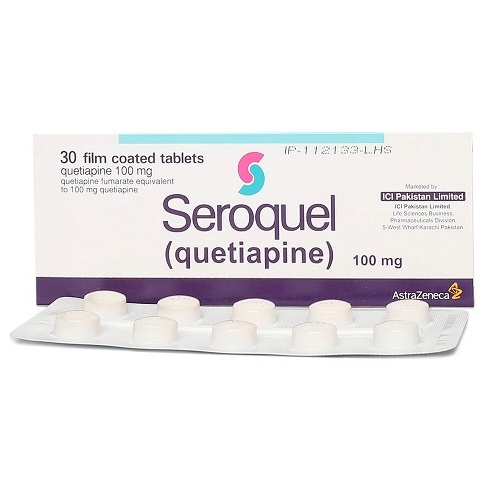
| Medicine Name | Seroquel |
|---|---|
| Main Substance | Quetiapine |
| Primary Uses | Treatment of schizophrenia, bipolar disorder, and as an adjunct in major depressive disorder |
| Dosage Varieties | 25 mg, 50 mg, 100 mg, 200 mg, 300 mg, 400 mg (immediate and extended-release) |
| Onset After Intake | Usually within 1–2 hours for immediate release, longer for extended-release |
| How Long It Lasts | Approximately 6–12 hours (immediate release); up to 24 hours (extended release) |
| How It’s Taken | Typically daily, at bedtime or as advised by a provider |
| Prescription Status USA | Prescription-only, regulated by the FDA |
| Generic Availability | Available from multiple generic manufacturers in the United States |
Seroquel (Quetiapine): Guidance for Mental Health Treatment in United States
Seroquel, known by its generic name quetiapine, is a psychiatric medication used in the management of various mental health conditions including schizophrenia, bipolar disorder, and as an add-on for some forms of depression. It is legally available in the United States through prescription, under the regulation of the Food and Drug Administration (FDA). Individuals considering Seroquel should understand its uses, how it works, and what to expect during treatment.
Understanding the Challenge: Mental Health Conditions in the United States
Mental health disorders such as schizophrenia and bipolar disorder impact millions of adults in the United States each year. According to the National Institute of Mental Health (NIMH), in 2021, approximately 1.5 million adults in the U.S. were living with schizophrenia or schizoaffective disorder, while an estimated 7 million adults were affected by bipolar disorder. The prevalence and impact of these conditions are significant, but effective medications and support can make managing symptoms and improving quality of life possible. Recognizing that these concerns are widespread—and that proven solutions exist—can be the first step toward recovery.
How Seroquel Works: Mechanisms and What You Can Expect
Seroquel (quetiapine) operates by influencing the levels and activity of certain neurotransmitters in the brain, primarily dopamine and serotonin. These neurotransmitters are chemicals that play key roles in mood, thinking, and perception. In conditions like schizophrenia and bipolar disorder, the normal balance of these chemicals is disrupted, leading to symptoms such as hallucinations, disorganized thinking, mood swings, or depression.
- Dopamine Blockade: Quetiapine blocks dopamine receptors, which helps reduce psychotic symptoms like hallucinations and delusions in schizophrenia.
- Serotonin Modulation: By affecting serotonin receptors, it can stabilize mood and reduce depressive symptoms.
- Practical results: Many patients notice a reduction in hallucinations or mood swings within the first week, though full effects may take several weeks. Sleep may improve earlier, but some side effects like drowsiness can also occur initially.
For most, Seroquel does not act as a sedative alone but works at deeper levels to adjust thought patterns and emotional regulation. The precise experience varies; while some find relief with minimal side effects, others may need dosage adjustments or a different approach depending on their specific symptoms and health history.
Is Seroquel Right for You? Matching Life Situations to Treatment Choices
| Situation | Is Seroquel Suitable? | Why (or Why Not)? |
|---|---|---|
| You have been diagnosed with schizophrenia or schizoaffective disorder and experience persistent hallucinations or disorganized thought. | Yes, often recommended | Seroquel targets the underlying neurotransmitter imbalance that drives these symptoms and is FDA-approved for this use. |
| You have bipolar disorder with frequent mood swings, including manic and depressive episodes. | Yes, may be indicated | Quetiapine can help stabilize mood and is approved for both manic and depressive phases, as well as maintenance therapy. |
| You experience major depressive disorder that has not fully responded to antidepressants alone. | Sometimes, as adjunct | For some, Seroquel is added to existing antidepressant therapy when depression remains resistant, but this depends on individual tolerance and risk factors. |
| You are seeking help for sleep issues or mild anxiety without a diagnosed psychiatric disorder. | No, generally not appropriate | Seroquel is a powerful antipsychotic; for non-severe insomnia or anxiety, the risks outweigh benefits. Safer alternatives exist for these issues. |
| You are pregnant, planning to become pregnant, or breastfeeding. | Usually not first-line | While sometimes used if benefits outweigh risks, Seroquel can affect the fetus or infant. Discuss alternatives and risks with a specialist. |
Seeing your own situation in such scenarios helps clarify whether Seroquel aligns with your needs. When uncertain, a mental health specialist can help weigh the benefits and risks, considering your full medical and psychiatric profile.
Real-World Use: What to Expect When Starting Seroquel
For most adults, Seroquel is started at a low dose, which is gradually increased to find the optimal balance between effectiveness and tolerability. It is typically taken once daily in the evening (extended release) or divided into two doses (immediate release), always with or without food as directed. Some people feel sleepy or dizzy when beginning Seroquel; these effects often lessen over time.
- If you miss a dose: Take it as soon as you remember unless it’s close to your next scheduled dose; then skip the missed one. Never double up.
- If it doesn’t work: Effects on mood and thought usually appear in 2–6 weeks. If symptoms persist, your provider may adjust the dose or suggest another therapy. Report any ongoing distress or lack of effect.
- What is typical: Some sleepiness, changes in appetite, and mild dry mouth are common at first and often fade.
- When to call your doctor: If you develop high fever, uncontrollable movements, persistent vomiting, or confusion, seek medical help immediately. These may be signs of rare but serious effects.
Seroquel must not be stopped suddenly without medical supervision. Stopping abruptly can cause withdrawal symptoms or a rapid return of psychiatric symptoms. Regular check-ins with your provider help monitor for side effects and ensure the medication continues to meet your needs. If you have questions about drug timing, combining with food, or other regular-life issues, bring these up early with your care team.
Contraindications: Who Should Not Take Seroquel?
- Allergy to quetiapine or related compounds: Seroquel is unsafe if you have had an allergic reaction to this drug or its ingredients, as this may cause severe skin reactions or breathing problems.
- History of severe heart conditions: Conditions like arrhythmias or prolonged QT interval on ECG are a contraindication because Seroquel can further disrupt heart rhythm, increasing risk of dangerous arrhythmias.
- Uncontrolled liver disease: The medication is processed in the liver; severe impairment can lead to dangerously high levels and increased side effects.
- Children and adolescents: Seroquel is not FDA-approved for many psychiatric conditions in those under 18, except in some cases for bipolar disorder in children aged 10–17. Dosing and safety are different for this group and require specialist oversight.
Consult your healthcare provider if you have a history of low white blood cell count, diabetes, or seizures: Seroquel may not be suitable or may require extra monitoring in these situations.
Possible Side Effects: What Happens, How Often, and When to Act
- Common and usually mild: Drowsiness, dry mouth, constipation, increased appetite, lightheadedness, and weight gain are the most frequently reported side effects. These often appear at the start of treatment and may resolve within a few weeks.
- Occasional, need monitoring: Changes in cholesterol, blood sugar, or thyroid function; mild tremor; or restlessness. Your doctor may order regular blood tests to check for these.
- Rare but serious (seek urgent help): High fever, muscle stiffness, confusion, rapid or irregular heartbeat, or swelling of the face/tongue. These may be signs of a severe reaction called neuroleptic malignant syndrome or serious allergic response. In such cases, call 911 (United States emergency number) or seek immediate emergency care.
Always report any side effect that is persistent, worsening, or concerning. For most people, Seroquel is safe when prescribed appropriately and monitored, but individual risks can vary.
Medication Interactions: What to Avoid with Seroquel
Seroquel can interact with various other prescription and over-the-counter medications. These interactions may increase side effects, reduce effectiveness, or pose safety risks.
- Strong CYP3A4 inhibitors (e.g., ketoconazole, clarithromycin): These can raise Seroquel levels, increasing risk of drowsiness, low blood pressure, or more severe reactions.
- Other psychiatric drugs: Combining Seroquel with other antipsychotics, mood stabilizers, or antidepressants may require dose adjustments and close monitoring by your provider.
- Drugs that affect heart rhythm: Certain antibiotics, antiarrhythmics, and others can increase the risk of heart rhythm problems when taken with Seroquel.
- Alcohol and sedatives: These can exaggerate drowsiness and impair judgment or coordination.
Before starting Seroquel, inform your doctor about all medications, supplements, and herbal products you use. Never add or stop medicines on your own—especially if you take drugs that affect the liver, heart, or central nervous system.
Alternatives and Comparisons: Where Seroquel Fits Among Mental Health Treatments
Seroquel is one of several atypical antipsychotic medications used for psychiatric disorders. Others include risperidone, olanzapine, aripiprazole, and ziprasidone. Each has unique benefits and drawbacks, and no single medication is superior for every patient or condition.
- When Seroquel is preferred: It is often favored when sedation is needed as part of symptom control, or when previous medications have caused motion-related side effects (extrapyramidal symptoms), as Seroquel tends to have a lower risk in that area.
- When alternatives may be better: If concerns about weight gain or metabolic side effects are paramount, aripiprazole or ziprasidone may be options with lower associated risk. For those with a history of poor response to multiple medications, clozapine—a different antipsychotic—may be considered under specialist care.
- Limitations: Seroquel may not be first choice for elderly patients with dementia-related psychosis, due to increased risk of cerebrovascular events and mortality in this group. It is also not indicated for primary treatment of anxiety or sleep disorders due to its risk profile.
Choosing the right medication is a nuanced process, balancing efficacy, side effects, and personal health history. Your psychiatrist or mental health provider will use these factors and clinical guidelines to help select the best option for you.
What Seroquel Treatment Costs in the United States
| Cost Item | Amount | Details |
|---|---|---|
| Doctor Consultation | $100–$300 | In-person psychiatry visit (may be less for telemedicine) |
| Prescription Fee | $10–$30 | Varies by clinic and insurance; sometimes included in consultation |
| Seroquel (Generic Quetiapine) | $20–$200/month | Price depends on dosage, quantity, and pharmacy (generic is less expensive) |
| Delivery (if ordered online) | $0–$20 | Standard shipping; expedited options cost more |
| Total | $130–$550 | Initial month, including doctor, prescription, medication, and delivery if needed |
In the United States, Seroquel is only legally dispensed with a prescription. Many insurance plans cover part of the cost for both generic and brand-name forms; out-of-pocket expenses depend on your coverage, pharmacy, and whether you use mail order or retail. Some online pharmacies may offer lower prices, but always verify their legitimacy. The FDA and state boards of pharmacy oversee legal sources. For those without insurance, seeking out patient assistance programs or discussing generic options with your doctor can help reduce costs.
Remaining Practical Questions: Switching, Travel, and Ongoing Use
- Can you switch from another antipsychotic to Seroquel? Transitions between psychiatric medications should always be managed by a specialist. Stopping one and starting another too quickly can destabilize mood or cause withdrawal effects. Your provider may recommend a slow, overlapping switch with careful monitoring.
- Can you travel with Seroquel? Yes, but carry your prescription, and keep the medication in its original packaging. Some countries have restrictions on psychiatric medications, so research travel rules in advance.
- How long do you need to take Seroquel? Treatment duration varies. For chronic illnesses like schizophrenia or bipolar disorder, long-term or lifelong therapy may be needed. Decisions about stopping or adjusting treatment should always be made with your care team, based on stability and risk of relapse.
If you encounter unexpected issues or questions during treatment—such as new symptoms, changes in insurance, or difficulty affording medication—reach out promptly to your provider or pharmacist for guidance. Medical decisions are best made in partnership with a licensed mental health professional familiar with your case.