
- Home/
- Buy Clomid Online in the United States Safely and Conveniently
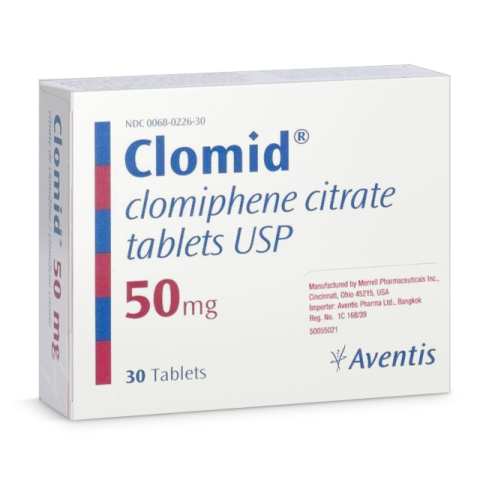
Clomid (Clomiphene) in the United States: The Essential, In-Depth Guide for Female Infertility
Can You Obtain Clomid Without a Prescription in the United States?
No, Clomid (clomiphene) cannot be obtained legally in the United States without a valid prescription from a licensed healthcare provider. U.S. law strictly requires a prescription for this medication. Purchasing Clomid without a prescription is not only illegal but also unsafe due to the risk of counterfeit or substandard products.
Summary: Key Facts About Clomid
- Active Ingredient: Clomiphene citrate
- Indication: Female infertility due to ovulatory dysfunction
- Prescription Status: Prescription only (Rx) in the United States
- Standard Starting Dose: 50 mg daily for 5 days, beginning on day 2–5 of menstrual cycle
- Onset of Ovulation: Typically within 5–10 days after last dose
- Most Common Side Effects: Hot flashes, abdominal discomfort, mood changes
- Absolute Contraindications: Pregnancy, liver disease, certain ovarian cysts, uncontrolled thyroid/adrenal disorders
- Typical U.S. Price (2026): $15–$60 per 5-day cycle (varies by brand and pharmacy)
How Does Clomid Work to Treat Female Infertility?
Clomid (clomiphene citrate) is a selective estrogen receptor modulator (SERM). Its primary action is to block estrogen receptors in the hypothalamus—a gland in the brain that controls many hormonal functions.
By doing so, Clomid tricks the brain into sensing low estrogen. The hypothalamus then releases more gonadotropin-releasing hormone (GnRH), which signals the pituitary gland to increase its output of follicle-stimulating hormone (FSH) and luteinizing hormone (LH). These hormones stimulate the ovaries to develop and release eggs (ovulation).
Metaphor: Think of Clomid as a “thermostat reset” for your reproductive system. If the brain thinks it’s too cold (not enough estrogen), it turns up the heat (releases more FSH and LH), prompting egg development and release.
Clinical relevance: Clomid is most effective in women with irregular or absent ovulation (anovulation), commonly seen in polycystic ovary syndrome (PCOS).
According to a 2024 systematic review, ovulation occurs in approximately 70–85% of women treated with Clomid, with live birth rates varying from 20–40% per treatment cycle, depending on underlying causes and age.
Expert Commentary from Doctor
In my experience, the biggest surprise for patients is that Clomid does not guarantee pregnancy even when ovulation happens. Multiple cycles may be required, and the window for conception can be narrow—timing is everything. One practical tip: tracking ovulation with home kits or scheduled ultrasounds can dramatically improve success rates. Another issue I see is patients misunderstanding the need for partner testing; male factors contribute to up to 40% of infertility cases, so both partners need evaluation. Lastly, Clomid can sometimes cause mood swings or visual disturbances—if these arise, let your doctor know immediately. Never increase the dose or extend treatment without supervision, as this can increase the risk of ovarian hyperstimulation or cysts.
How to Take Clomid: Detailed Dosage Instructions and Duration
- Standard Dosage
- Start with 50 mg orally once daily for five days. Initiate treatment on day 2, 3, 4, or 5 of your menstrual cycle, as directed by your doctor.
- Maximum Dose
- Some patients require an increase to 100 mg per day for five days in subsequent cycles if ovulation does not occur. Do not exceed the maximum recommended dose of 100 mg daily or more than six cycles total due to increased risk of side effects.
- Response Timing
- Ovulation typically occurs 5–10 days after the last tablet is taken. Sexual intercourse should be timed accordingly, usually every other day during the expected ovulation window.
- Special Populations
- No dosage adjustment is typically needed for older women, but women with liver disease should not use Clomid. Kidney impairment does not require adjustment, but always consult a specialist.
- Tablet Splitting
- Clomid tablets should not be split unless the prescribing doctor specifically instructs, as dosing accuracy is critical.
Important: If you miss a dose, do not double up. Contact your healthcare provider for specific instructions.
Clomid, Food, Alcohol, and Lifestyle: What You Must Know
- With or without food? Clomid may be taken with or without food. Food does not significantly affect absorption or effectiveness.
- Fatty meals: No clinically significant delay or reduction in absorption has been observed with high-fat meals.
- Alcohol: Moderate alcohol intake (e.g., one glass of wine) is unlikely to directly interact pharmacologically with Clomid, but excessive use is discouraged due to potential liver toxicity and negative effects on fertility.
- Grapefruit juice: No known interaction with grapefruit juice. However, consult your doctor about all supplements and foods.
- Other lifestyle factors: Smoking and obesity can reduce fertility and may diminish the effectiveness of ovulation induction. Maintaining a healthy weight and avoiding tobacco is strongly advised.
Myth vs. Reality: Myth: “Eating certain foods or taking specific supplements will boost Clomid’s effectiveness.” Reality: There is no evidence that dietary supplements increase Clomid’s success rate; focus instead on healthy habits and following your doctor’s instructions.
Absolute and Relative Contraindications for Clomid
| Type | Condition | Explanation |
|---|---|---|
| Absolute | Pregnancy | Can cause fetal harm; confirm negative pregnancy test before use. |
| Absolute | Active liver disease | Clomid is metabolized in the liver; impaired function increases toxicity risk. |
| Absolute | Unexplained uterine bleeding | May mask or worsen serious underlying conditions (e.g., endometrial cancer). |
| Absolute | Ovarian cysts (not due to polycystic ovary syndrome) | Can enlarge cysts, increasing risk of rupture or torsion. |
| Absolute | Known hypersensitivity to clomiphene | Risk of severe allergic reactions. |
| Relative | Uncontrolled thyroid/adrenal dysfunction | Underlying hormonal imbalances should be stabilized first. |
| Relative | Severe depression or mood disorders | Clomid may worsen psychiatric symptoms. |
| Relative | Visual disturbances | Clomid can rarely cause vision changes, which may become permanent if ignored. |
Bottom line: Clomid is not a universal solution and should never be used without a complete medical evaluation and ongoing monitoring.
What Side Effects Are Most Common with Clomid?
| Frequency | Side Effect | Explanation |
|---|---|---|
| Very Common (>10%) | Hot flashes | Vasomotor instability due to hormone shifts |
| Common (1–10%) | Abdominal discomfort, bloating | Ovarian stimulation |
| Common (1–10%) | Breast tenderness | Hormonal changes |
| Common (1–10%) | Nausea, vomiting | Gastrointestinal effects |
| Common (1–10%) | Mood swings | Central nervous system effects |
| Rare (<1%) | Visual disturbances (blurred vision, spots) | Usually reversible; may be permanent if treatment continues |
| Rare (<1%) | Ovarian hyperstimulation syndrome (OHSS) | Risk of severe bloating, pain, fluid accumulation—emergency! |
| Very Rare (<0.1%) | Liver dysfunction, jaundice | Monitor for dark urine, yellow eyes/skin |
| Very Rare (<0.1%) | Seizures | Extremely uncommon; seek immediate care if suspected |
What to do if side effects occur? Mild symptoms (hot flashes, mood changes) often resolve on their own. However, stop Clomid immediately and call your doctor if you experience severe abdominal pain, vision changes, shortness of breath, or signs of allergic reaction (swelling, rash, difficulty breathing).
Common Patient Mistakes Observed by Doctor
- Extending treatment without medical advice. Many patients think “more is better” and continue Clomid beyond six cycles or increase the dose. This increases risk of ovarian cysts and reduced ovarian reserve. Solution: Always follow the prescribed regimen.
- Ignoring partner evaluation. About 40% of infertility cases involve male factors, yet patients often skip semen analysis. Solution: Ensure both partners get tested before starting treatment.
- Mis-timing intercourse. Some rely on guesswork rather than tracking ovulation, which can lower success rates. Solution: Use ovulation tests or have your doctor monitor with ultrasound.
- Overlooking side effects. Continuing Clomid despite vision changes or severe pain is dangerous. Solution: Report unusual symptoms promptly.
- Buying from unregulated sources online. There is a high risk of counterfeit or ineffective products; some may even contain harmful ingredients. Solution: Only use USDA/FDA-verified pharmacies with a prescription.
How Does Clomid Compare to Other Treatments for Female Infertility?
| Medication | Mechanism | Typical Onset (Ovulation) | Side Effects | Cost per Cycle (U.S. $) | Prescription Required? |
|---|---|---|---|---|---|
| Clomid (Clomiphene) | SERM—boosts FSH/LH | 5–10 days after final dose | Hot flashes, mood swings, rare OHSS | $15–$60 | Yes |
| Letrozole (Femara) | Aromatase inhibitor—lowers estrogen | 5–10 days after final dose | Fatigue, dizziness, less risk of multiples than Clomid | $30–$90 | Yes |
| Gonadotropins (e.g., Follistim, Gonal-f) | Direct FSH/LH stimulation by injection | Variable, monitored by ultrasound | OHSS, injection site pain, higher risk of multiples | $1,200–$3,000 | Yes |
Commentary: Clomid is usually the first-line option due to its oral form, lower cost, and high safety margin. Letrozole may be preferred for some PCOS patients or those who do not respond to Clomid. Gonadotropins are much more expensive, require injections, and are reserved for cases where oral agents fail.
Questions Frequently Asked to Doctor
- Is it dangerous to take Clomid for more than six cycles?
- Prolonged use can decrease your ovarian reserve and increase the risk of ovarian tumors. Six cycles are the safe maximum—if not effective by then, alternative therapies should be considered.
- Can I combine Clomid with herbal supplements or over-the-counter fertility boosters?
- Most supplements lack scientific support and may interfere with treatment. Always disclose all supplements to your doctor before starting Clomid.
- What if I miss a dose of Clomid?
- Take the missed dose as soon as you remember, but if it’s almost time for your next dose, skip it. Never double up. Contact your doctor for specific guidance—timing is important.
- Can Clomid cause long-term health problems?
- Clomid is generally safe for short-term use. Long-term risks (beyond six cycles) include ovarian cysts and, rarely, ovarian tumors, which is why prolonged use is not recommended.
- Is drinking alcohol while on Clomid safe?
- Limited alcohol is unlikely to interfere, but excess consumption can harm liver health and fertility. Moderation is key, but ideally, avoid alcohol during fertility treatments.
- Will Clomid affect my ability to drive or concentrate?
- Rarely, some people experience dizziness or visual changes; if you do, avoid driving and contact your provider.
- Will insurance cover Clomid in the United States?
- Coverage varies by plan and state. Some private insurance plans may cover part of the cost, while others may not. Discuss with your pharmacy and insurance provider.
Clomid: Key Characteristics Table
| Parameter | Value |
|---|---|
| Generic Name | Clomiphene citrate |
| Formulation | Oral tablet (50 mg standard) |
| Duration of Action | Ovulation typically occurs 5–10 days post-treatment |
| Metabolism | Liver (CYP450 enzymes) |
| Elimination | Biliary (fecal) & minimal renal |
| Half-Life (T½) | 5–7 days (active isomers may persist longer) |
| Prescription Needed? | Yes |
| Typical Price Range | $15–$60 per cycle |
| Insurance Coverage | Varies by state and plan |
How to Obtain Clomid Legally in the United States—Step by Step
- Schedule a consultation with a board-certified OB/GYN, reproductive endocrinologist, or a licensed telehealth provider specializing in infertility. This can be in person (e.g., in New York, Los Angeles, Houston) or via a recognized telemedicine platform.
- Comprehensive evaluation: Your doctor will conduct a thorough medical history, physical exam, and order preliminary labs (including ovarian reserve testing, hormonal panels, and a semen analysis for your partner).
- Diagnosis and eligibility: If ovulatory dysfunction is confirmed and no contraindications exist, your doctor may prescribe Clomid.
- Prescription: The prescription will be sent electronically to a local or mail-order pharmacy licensed in your state.
- Pharmacy pickup or delivery: Collect your medication in person or arrange for home delivery. At pickup, verify the packaging and ask the pharmacist to answer any questions about your prescription.
- Ongoing monitoring: Follow your doctor’s instructions for cycle monitoring, side effect tracking, and follow-ups.
Tip: Many U.S. clinics now offer virtual consultations. Ensure the telehealth service is accredited (look for the “.gov” or “.org” domain or check for verification with the National Association of Boards of Pharmacy).
Is It Legal to Buy Clomid Online in the United States?
Clomid can be purchased from online pharmacies in the United States only with a valid prescription. FDA-approved, U.S.-based online pharmacies will require verification of your prescription before dispensing.
- If a website offers to sell Clomid without a prescription, it is illegal, and the risk of counterfeit or dangerous products is high.
- Look for pharmacy verification—such as “.pharmacy” accreditation from the National Association of Boards of Pharmacy (NABP).
- Importing Clomid from international websites is prohibited and may result in seizure by U.S. Customs and Border Protection.
Bottom line: The prescription requirement protects patients from potentially unsafe, fake, or contaminated medications.
How Can I Identify Genuine Clomid and Avoid Counterfeit Products?
- Packaging: Original Clomid tablets (brand or FDA-approved generic) come in tamper-evident blister packs, with the manufacturer’s name, batch number, and expiration date clearly printed.
- Tablet appearance: Clomid tablets are typically white, round, and may be engraved (e.g., “CLOMID 50”). Generics may vary slightly but should still have a professional finish and consistent markings.
- Price is a red flag: If the price is dramatically lower than standard U.S. pharmacy prices, the product may be fake.
- Check for QR codes or holograms: Some manufacturers include these security features—scan to verify authenticity on the official website if available.
- FDA-approved generics: In the U.S., generics must meet strict bioequivalence and safety standards. They may use different inactive ingredients (excipients), but the active ingredient and effect are the same. Ask your pharmacist about potential allergies to excipients.
What Should I Do If I Take Too Much Clomid?
- Stop taking Clomid immediately.
- Contact your doctor or poison control center (1-800-222-1222) right away.
- If you have severe symptoms (severe abdominal pain, vomiting, vision changes, trouble breathing), call 911 or emergency services immediately.
- Provide the doctor with the exact dose, time, and number of tablets taken.
- Do not try to self-treat or “wait it out.”
Clomid in Special Patient Groups: What to Consider
- Women over 40: Lower success rates and increased risk of adverse effects; careful evaluation is needed.
- PCOS patients: May require lower doses or alternative agents (letrozole). Risk of OHSS is higher—monitoring is essential.
- Liver disease: Clomid is contraindicated. Even mild liver impairment increases toxicity risk.
- Kidney impairment: No dose adjustment is officially required, but always consult your doctor.
- Depression or mood disorders: Clomid may worsen psychiatric symptoms; mental health should be monitored during treatment.
- Driving and machinery: Rarely, Clomid can cause dizziness or vision changes—do not drive if these occur.
- Fertility planning: Clomid may increase the risk of multiple births (twins in ~8% of pregnancies, triplets <1%). Discuss this possibility before starting treatment.
Clomid Brand vs Generics: What’s the Difference?
- Active Ingredient: Both contain clomiphene citrate in the same strength (typically 50 mg).
- Excipients (inactive ingredients): Generics may contain different fillers, binders, or dyes. If you have known allergies, inform your pharmacist.
- Effectiveness & safety: FDA-approved generics must demonstrate equal effectiveness and safety to the brand-name product.
- Price: Generics are typically more affordable ($15–$30 per cycle) compared to the brand name ($40–$60 per cycle).
- Packaging and appearance: May differ in color, shape, or markings. Always obtain generics from reputable, licensed U.S. pharmacies.
Clomid Interaction Compatibility Table
| Product/Drug | Can It Be Combined? | Potential Consequences |
|---|---|---|
| Ibuprofen or acetaminophen | Yes | No significant interactions expected |
| Oral contraceptives | No | Counteracts Clomid’s effect; not recommended |
| Alcohol (moderate use) | Yes, in moderation | Excess may harm fertility/liver |
| Herbal fertility supplements | Unclear | May interfere or have unknown risks—avoid unless approved by your doctor |
| Other ovulation inducers (e.g., letrozole, gonadotropins) | No, unless supervised | Risk of excessive ovarian stimulation/complications |
What Should I Do If Clomid Does Not Work?
- Verify that all underlying causes of infertility have been evaluated (partner testing, hormonal workup, anatomic factors).
- Discuss with your doctor whether letrozole, gonadotropins, or assisted reproductive technologies (ART) such as IVF may be more appropriate.
- Consider lifestyle changes—weight loss, quitting smoking, and treating thyroid or prolactin disorders can sometimes restore fertility.
- Do not attempt to self-adjust the dose or obtain additional cycles without medical supervision.
Myth vs. Reality: Myth: “If Clomid didn’t work, nothing else will.” Reality: Many women conceive with alternative therapies after Clomid fails. Infertility is rarely a dead end—keep working with your team.
Addressing the Psychological Side of Infertility: You’re Not Alone
Infertility can be emotionally taxing. Remember, female infertility is common and treatable, and needing help does not mean you have failed. Consider joining a support group, speaking to a mental health professional, or involving your partner in conversations with your provider. Many women and families have walked this road before—and found success and support along the way.
Professional Opinion of Doctor
From my perspective as a reproductive medicine specialist, Clomid remains a mainstay for first-line ovulation induction in women with PCOS or unexplained anovulation who have normal ovarian reserve. Its affordability, oral route, and established safety record make it accessible to many patients, especially when monitored properly. However, it is not a panacea: success depends on strict adherence to timing and the exclusion of other infertility factors. Side effects are generally tolerable, but rare complications such as vision changes or severe ovarian stimulation require vigilance. For women who do not ovulate after several cycles, or those with advanced age or other complicating factors, alternative therapies like letrozole or injectable gonadotropins may offer better outcomes. Ultimately, a tailored approach based on comprehensive evaluation is the safest and most effective way to achieve pregnancy.
Frequently Asked Questions
- Do I need a prescription for Clomid in the United States?
- Yes. Clomid is available by prescription only.
- How soon after taking Clomid will I ovulate?
- Ovulation usually occurs 5–10 days after the last tablet.
- Can I buy Clomid from international websites?
- No. Importing Clomid from outside the U.S. is illegal and risky.
- Is it safe to use Clomid for multiple cycles?
- Up to six cycles is generally considered safe, but longer use increases risks.
- Can I take Clomid if I have PCOS?
- Yes, Clomid is commonly prescribed for PCOS-related infertility, but close monitoring is essential.
- What if I forget to take a dose?
- Contact your doctor; do not double doses.
- What are the main risks of Clomid?
- Common risks include hot flashes, mood changes, and rare vision problems or ovarian cysts.
- Is Clomid covered by insurance?
- Coverage depends on your plan and state laws; check with your insurer and pharmacy.
- Does Clomid increase my risk of twins?
- Yes, about 8% of pregnancies are twins with Clomid use.
- Will Clomid work if my partner has fertility problems?
- No. Both partners should be evaluated for infertility before starting treatment.
References
- U.S. Food and Drug Administration. Drugs@FDA Database. https://www.fda.gov/drugs
- American Society for Reproductive Medicine. “Clomiphene citrate for ovulation induction in women with polycystic ovary syndrome.” Practice Committee Report, 2024. https://www.asrm.org/
- Mayo Clinic. Clomiphene (Oral Route) Description and Brand Names. https://www.mayoclinic.org/drugs-supplements/clomiphene-oral-route/description/drg-20068401
- PubMed. “Efficacy and safety of clomiphene citrate for ovulation induction in anovulatory infertility: a 2024 systematic review.” https://pubmed.ncbi.nlm.nih.gov/
- National Association of Boards of Pharmacy (NABP). “.Pharmacy Verified Websites Program.” https://nabp.pharmacy/programs/dotpharmacy/
- Centers for Disease Control and Prevention (CDC). Infertility FAQs. https://www.cdc.gov/reproductivehealth/infertility/index.htm
- ClinicalTrials.gov. Clinical studies on clomiphene citrate. https://clinicaltrials.gov/
- World Health Organization. Infertility definitions and treatment. https://www.who.int/health-topics/infertility