
- Home/
- Buy Propecia in Online Pharmacy for United States Customers
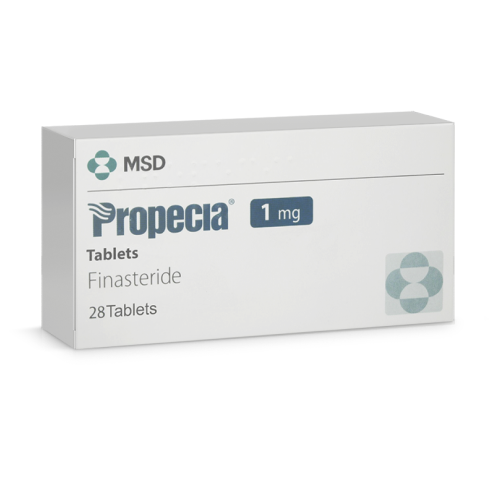
Can Propecia Be Obtained Without a Prescription in the United States?
Propecia (finasteride) is available in the United States only with a valid prescription from a licensed healthcare provider. It is not legal to purchase or possess Propecia without a prescription, whether from a local or online pharmacy.
Key Takeaways
- Propecia is intended for adult men with male pattern hair loss (androgenetic alopecia).
- Results typically become noticeable after at least 3 months of consistent use.
- A prescription from a U.S.-licensed healthcare provider is required by law.
- The most important safety consideration: Propecia can cause sexual side effects and should never be used by women or children.
- Discuss with your doctor if you have liver disease or are planning fatherhood, as Propecia may affect fertility.
- If you experience side effects or do not notice improvement after 6–12 months, consult your physician before making changes to your treatment.
How Does Propecia Work? Understanding Its Mechanism of Action
Propecia contains finasteride, a type II 5-alpha reductase inhibitor. This enzyme normally converts testosterone into dihydrotestosterone (DHT), a hormone that triggers the shrinking of hair follicles in genetically predisposed men. By blocking 5-alpha reductase, Propecia reduces scalp DHT levels by about 60–70%, which slows or partially reverses follicular miniaturization.[1]
On a cellular level, less DHT means hair follicles spend a longer time in the growth (anagen) phase, leading to thicker, healthier hair. Importantly, Propecia works independently and does not require any additional triggers to be effective, but ongoing use is needed to maintain the benefit.
Simplified Metaphor: Think of DHT as a “signal” that tells hair roots to shrink. Propecia turns down the volume of that signal, allowing hair to grow more freely.
The biochemical effects are limited to tissues sensitive to type II 5-alpha reductase, such as hair follicles and the prostate. Other hormone systems remain unaffected.
Why Many Patients Misjudge Early Treatment Results with Propecia
In my clinical experience, many patients expect visible hair regrowth within a few weeks of starting Propecia. However, the initial benefits are subtle and may include less hair shedding, not rapid regrowth. Some interpret continued hair loss during the first 2–3 months as “failure,” when, in fact, the medication can take up to 12 months to produce significant cosmetic changes. Patients rarely ask about the early signs of effectiveness, such as stabilization of hair loss, and often overlook reassurance that a lack of rapid regrowth does not mean the medication isn’t working. I encourage my patients to focus on photographic documentation and periodic scalp exams rather than immediate visual changes. Setting realistic expectations from the outset helps prevent premature discontinuation and disappointment.
How Should I Take Propecia? Dosage, Timing, and Duration
The standard dose for male pattern hair loss is 1 mg orally once daily, with or without food. The dose should never exceed 1 mg per day for hair loss. For benign prostatic hyperplasia (BPH), higher doses (5 mg) are used, but this is a different indication.
- Take at the same time daily to maintain stable blood levels.
- Swallow tablets whole with water; do not split or crush, especially to avoid risk to women and children from skin contact.
- Missed a dose? Take it as soon as possible, but do not double up. Return to your regular schedule the next day.
- Peak effect: Most patients notice reduced hair shedding within 3–6 months. Maximum benefit may require 12 months of daily use.
- If there is no improvement after 12 months, continued use is unlikely to be beneficial.
Special populations: No dose adjustment is needed for older adults or for mild to moderate kidney impairment. However, Propecia is not recommended for men with severe liver impairment due to its hepatic metabolism.
Does Food or Alcohol Affect Propecia? Compatibility and Lifestyle Guidance
- Food: Propecia’s absorption is not significantly affected by food or fat content. Take with or without meals.
- Alcohol: There are no direct interactions between moderate alcohol intake and Propecia. However, excessive alcohol may contribute to liver strain, which is relevant since Propecia is metabolized by the liver.
- Grapefruit juice: No known interaction; not a concern with Propecia.
Bottom line: You do not need to adjust your diet or avoid specific foods, but moderation in alcohol consumption is advisable for overall liver health.
Who Should Not Take Propecia? Absolute and Relative Contraindications
- Absolute contraindications:
- Women, especially if pregnant or planning pregnancy (risk of birth defects in male fetus).
- Children and adolescents under 18 years.
- Allergy to finasteride or any component of the tablet.
- Relative contraindications:
- Men with severe liver impairment (risk of elevated drug levels).
- Men planning to father a child in the near future (possible reversible effect on sperm parameters).
- History of depression, as rare mood changes have been reported.
- Patients on medications impacting hormone metabolism (consult your doctor).
Propecia is not associated with significant cardiovascular risk and does not interact with nitrates or alpha-blockers. There are no specific timing restrictions after heart attack or other acute events, but always discuss with your physician before starting any new medication.
What Side Effects Are Most Common with Propecia?
Side effects of Propecia are generally mild, but some can be persistent or distressing. Side effect frequency is based on post-marketing surveillance and clinical studies.[2]
- Very common (>1/10):
- None identified at this frequency for the 1 mg dose.
- Common (>1/100, <1/10):
- Reduced libido (about 1.8%)
- Erectile dysfunction (about 1.3%)
- Ejaculation disorders (about 1.2%)
- Uncommon (>1/1,000, <1/100):
- Breast tenderness or enlargement
- Testicular pain
- Mood changes, including depression
- Rare (>1/10,000, <1/1,000):
- Allergic reactions (rash, swelling of lips/face)
- Persistent sexual dysfunction after discontinuation (post-finasteride syndrome; mechanism is not fully understood and remains controversial)
- Male breast cancer (very rare; a few case reports)
Action: If you develop breast changes, severe mood symptoms, or allergic reactions, stop the medication and contact your physician. For milder side effects, discuss the risks and benefits before deciding on continuation.
Frequent Pitfalls When Using Propecia: What to Avoid for Best Results
- Stopping too soon: Many patients discontinue Propecia after 2–3 months due to perceived lack of results. Maximum benefit may take up to a year.
- Inconsistent dosing: Skipping doses or taking the medication irregularly lowers efficacy, as stable blood levels are crucial.
- Cutting or crushing tablets: This can expose household members, especially pregnant partners, to finasteride powder, which is unsafe.
- Self-adjusting dose: Increasing the dose above 1 mg does not improve hair growth and raises the risk of side effects.
- Failure to monitor side effects: Ignoring mood changes or sexual symptoms can delay important medical intervention.
- Obtaining medication from unregulated sources: Using non-prescribed, imported, or counterfeit products increases safety risks and legal issues.
How Does Propecia Compare to Other Hair Loss Treatments?
A range of medications and interventions exist for androgenetic alopecia. Here is a focused comparison of Propecia (finasteride) with the most commonly prescribed alternatives in the U.S.: minoxidil and dutasteride.
| Medication | Mechanism | Formulation | Onset | Side Effects | Cost per 30 days (USD) | Prescription required? |
|---|---|---|---|---|---|---|
| Propecia (finasteride 1 mg) | Type II 5α-reductase inhibitor (oral) | Tablet | 3–6 months | Sexual dysfunction, rare mood effects | $70–130 (brand); $10–30 (generic) | Yes |
| Minoxidil | Potassium channel opener (topical) | Foam, solution | 3–4 months | Scalp irritation, rarely systemic | $15–40 (OTC) | No |
| Dutasteride | Type I & II 5α-reductase inhibitor (oral) | Capsule | 3–6 months | Higher rate of sexual side effects | $120–250 (brand); $18–60 (generic) | Yes (off-label for hair loss) |
Bottom line: Propecia is the only oral medication FDA-approved for male pattern hair loss. Minoxidil is over-the-counter and works by a different mechanism. Dutasteride is more potent but not FDA-approved for hair loss and has a higher side effect risk.
Propecia Pharmacokinetics: What Happens in Your Body?
Absorption: After oral administration, Propecia is rapidly absorbed; peak plasma concentrations occur within 1–2 hours. Food does not affect absorption.
Metabolism: Finasteride is extensively metabolized in the liver, primarily by CYP3A4 enzymes.
Elimination: Metabolites are excreted in urine (39%) and feces (57%).
Half-life: Approximately 6 hours in younger men, up to 8 hours in elderly.
Implications for chronic conditions: Dose adjustment is not required for mild to moderate renal impairment, but use with caution in significant liver disease.
Compatibility Check: Propecia vs Other Products
| Type of product | Can it be combined? | Consequences |
|---|---|---|
| Alcohol (moderate) | Yes | No significant interaction; use moderately |
| Minoxidil topical | Yes | Additive effect; no interaction |
| Testosterone therapy | Caution | May counteract Propecia effects; monitor closely |
| Cytochrome P450 (CYP3A4) inhibitors | Caution | Potential for increased finasteride exposure |
| Other 5α-reductase inhibitors | No | No additional benefit; increased risk of side effects |
| Supplements/herbals | Yes, generally | No known direct interactions |
Structured Reference Table: Propecia Technical Characteristics
| Active ingredient | Finasteride |
| Approved indication | Androgenetic alopecia (male pattern hair loss) |
| Usual dose | 1 mg once daily |
| Formulation | Oral tablet |
| Tablet splitting | Not recommended (risk of exposure) |
| Half-life | ~6–8 hours |
| Metabolism | Hepatic (CYP3A4) |
| Excretion | Urine and feces |
| Storage | Room temperature, original packaging |
| Available brands | Propecia, various generics (finasteride 1 mg) |
Step-by-Step: How to Obtain Propecia Legally in the United States
- Schedule a consultation with a licensed healthcare provider (dermatologist, primary care physician, or telehealth service).
- Undergo a medical evaluation to confirm the diagnosis of male pattern hair loss and assess for contraindications.
- Receive a prescription if deemed appropriate. The prescription can be sent electronically to a pharmacy of your choice.
- Fill the prescription at a licensed U.S. pharmacy (in person or via legitimate online pharmacy offering mail delivery).
- Review safety instructions and ask your pharmacist or doctor about possible side effects and monitoring.
- Begin therapy as directed, scheduling periodic follow-ups to assess effectiveness and tolerability.
Many U.S.-based telehealth platforms offer virtual consultations and, if appropriate, can electronically prescribe Propecia to be shipped from licensed pharmacies. Ensure the provider and pharmacy are properly accredited.
How to Check If an Online Pharmacy Is Legitimate in the United States
Patient safety is paramount when purchasing Propecia online. U.S. law mandates that only licensed pharmacies can dispense prescription medication. The following steps help you identify legitimate sources:
- Verify pharmacy licensure through the National Association of Boards of Pharmacy (NABP) (look for the .pharmacy domain or Digital Pharmacy Accreditation).
- Ensure the pharmacy requires a valid prescription before dispensing Propecia.
- Avoid websites offering Propecia without a prescription, or from outside the U.S.; these pose serious risks of counterfeit or substandard products.
- Check for contact information, including a U.S. physical address and licensed pharmacist availability for questions.
- Beware of unusually low prices or websites that do not display regulatory seals or privacy policies.
- You can cross-check online pharmacies at FDA’s pharmacy verification resources.
How to Spot Counterfeit Propecia: Identifying the Real Thing
Original Propecia packaging includes:
- Embossed blisters labeled “Propecia 1 mg” with manufacturer (Merck & Co., Inc.) logo.
- Pill is tan, film-coated, and marked with “PROPECIA” on one side and “MSD 72” or similar code on the reverse.
- Box includes FDA-approved labeling and a National Drug Code (NDC); check for spelling errors or blurry printing.
- Some U.S. packaging includes a QR code or hologram for authenticity (varies by manufacturer).
Warning signs of counterfeits: Unusually low price, missing or altered logos, pills differing in color, size, or markings, packaging in a non-English language, or lack of a U.S. NDC/barcode.
Generics vs. original: U.S.-approved generics contain the same active ingredient (finasteride 1 mg) and are required by the FDA to meet equivalent standards of quality and effectiveness. Inactive ingredients (excipients) may differ, potentially causing rare allergic reactions. Generics are typically less expensive and can be a safe and cost-effective alternative when obtained from a licensed U.S. pharmacy.
Propecia Authenticity: Quick Quality Checklist
- Pill color: Tan, film-coated
- Engraving: “PROPECIA” and manufacturer code
- Blister pack: Labeled with brand and dosage
- Box: NDC number and manufacturer contact
- Optional: Hologram or QR code (newer packaging)
- Never accept unlabeled, loose, or foreign-language packaging
Does Propecia Affect Specific Patient Groups Differently?
- Liver disease: Use caution in severe impairment; discuss with your doctor before starting.
- Kidney disease: No dose adjustment required for mild to moderate impairment.
- Older adults: No adjustment needed, but monitor for side effects as risk may be higher.
- Women and children: Propecia is contraindicated and should never be used or handled by these groups.
- Fertility and family planning: Propecia may reduce sperm count or quality in rare cases, typically reversible. Inform your doctor if planning to conceive.
- Driving and machinery: Propecia does not affect alertness or coordination.
Myth vs Reality: Propecia Use
- Myth: Propecia works instantly.
Reality: Visible results typically require 3–12 months of consistent use. - Myth: All men experience major side effects.
Reality: Most men have no or only mild side effects; serious effects are rare. - Myth: More is better.
Reality: Higher doses do not improve hair growth and may increase risk.
What Should I Do If I Take Too Much Propecia?
- Stop using the medication immediately.
- Contact Poison Control (1-800-222-1222) or seek medical attention.
- Inform the healthcare provider of the amount and timing of Propecia taken.
- Bring the medication packaging with you to aid in management.
- There is no specific antidote; treatment is supportive.
Symptoms of overdose are not well characterized, but always err on the side of caution.
Psychological Support: You’re Not Alone
Hair loss is a common condition that can affect self-esteem and quality of life. Many men experience anxiety or frustration about hair changes; these feelings are normal and manageable. If you struggle emotionally with hair loss, consider talking with a mental health professional or discussing your concerns with supportive friends or family.
Questions Patients Often Ask doctor
- How long before I’ll see results from Propecia?
- Most patients notice reduced hair shedding after about 3 months, with more visible thickening by 6–12 months. If you don’t see improvement after a full year, discuss next steps with your doctor.
- Will I regain all the hair I’ve lost so far?
- Propecia is most effective at preventing further loss, especially at the crown and mid-scalp. Some regrowth may occur, but full restoration of long-lost hair is unlikely.
- Can I stop Propecia once I achieve results?
- If you discontinue Propecia, any new hair gained or preserved during treatment will typically be lost within 9–12 months. Ongoing use is needed to maintain benefits.
- Do sexual side effects go away if I stop the medication?
- Most sexual side effects resolve after discontinuing Propecia, but in rare cases, symptoms can persist. If you have concerns, speak openly with your doctor.
- Is it safe to combine Propecia with minoxidil?
- Yes. Many patients use both together for additive benefits, as they work by different mechanisms.
- Should I have blood tests while taking Propecia?
- Routine blood tests are not typically required unless you have other health risks. However, finasteride can lower PSA (prostate-specific antigen) levels, so inform your doctor if you are undergoing prostate cancer screening.
- Will Propecia affect my fertility?
- Some studies suggest a small, reversible decrease in sperm parameters. If you’re planning to conceive, discuss these concerns with your physician before starting treatment.
Frequently Asked Questions (FAQ) About Propecia in the United States
Is Propecia available without a prescription in the United States?
No, Propecia requires a prescription from a licensed healthcare provider in the U.S.; it is not legally available over the counter.
How effective is Propecia for hair loss?
Clinical trials show Propecia slows or stops hair loss in approximately 80–90% of men with androgenetic alopecia, with visible regrowth in up to two-thirds of users after one year.[3]
What is the usual price for Propecia and its generics?
Brand-name Propecia typically costs $70–130 for a 30-day supply. FDA-approved generics (finasteride 1 mg) can range from $10–30 per month at most U.S. pharmacies.
Are there alternatives to Propecia for hair loss?
Yes, minoxidil (topical) is available over the counter, and dutasteride (oral, off-label) is sometimes used. Other options include hair transplantation and low-level laser therapy.
How long do I need to take Propecia?
For continued results, Propecia must be taken daily indefinitely. Stopping treatment typically leads to loss of any hair gained within a year.
What are the risks of buying Propecia from an overseas or unlicensed source?
Unregulated sources risk counterfeit, contaminated, or incorrect dosage products and violate U.S. law. Always use licensed U.S. pharmacies.
Can women use Propecia?
No. Propecia is strictly contraindicated in women, especially during pregnancy, due to the risk of birth defects.
What should I do if I miss a dose?
Take the missed dose as soon as remembered, but do not double up. Continue your regular dosing schedule.
Does Propecia interact with other medications?
Significant interactions are rare, but inform your physician about all medications and supplements you are taking.
Will insurance cover Propecia?
Most health insurance plans do not cover Propecia for hair loss, as it is considered a cosmetic treatment. Some plans may cover it if prescribed for prostate conditions.
Clinical Assessment by doctor: When Propecia Is the Right Choice
As a clinician, I find that Propecia is most beneficial for adult men in the early to moderate stages of male pattern hair loss, particularly those with ongoing thinning at the crown or mid-scalp. Patients with a family history of androgenetic alopecia and those who notice gradual loss rather than sudden shedding are ideal candidates. Conversely, men with advanced, longstanding baldness, receded frontal hairlines, or significant scarring are less likely to benefit, as Propecia does not revive dead follicles or reverse extensive loss. Men planning to conceive in the near future, those with severe psychiatric histories, or with significant liver impairment may not be ideal candidates, and alternative therapies or close monitoring should be considered. For some, combining Propecia with topical minoxidil or other interventions may offer the best approach. I always stress the need for realistic expectations—Propecia halts progression, but is not a miracle cure. Regular follow-up allows us to reassess effectiveness and ensure that side effects or changing priorities are addressed promptly.
References
- Food and Drug Administration (FDA). Propecia (finasteride) Prescribing Information. Accessed 2026. https://www.fda.gov/
- National Institutes of Health (NIH) DailyMed: Propecia. Accessed 2026. https://dailymed.nlm.nih.gov/dailymed/
- Gupta AK, Charrette A. The efficacy and safety of 5α-reductase inhibitors in androgenetic alopecia: a network meta-analysis and benefit-risk assessment of 5α-reductase inhibitors. JAMA Dermatology. 2023. https://jamanetwork.com/journals/jamadermatology
- Mayo Clinic. Finasteride (Oral Route) Description and Brand Names. Accessed 2026. https://www.mayoclinic.org/drugs-supplements/finasteride-oral-route/description/drg-20064050
- National Association of Boards of Pharmacy (NABP). Digital Pharmacy Accreditation. Accessed 2026. https://nabp.pharmacy/programs/accreditations-inspections/digital-pharmacy-accreditation/
- ClinicalTrials.gov. Study of Finasteride for Androgenetic Alopecia. Accessed 2026. https://clinicaltrials.gov/
- World Health Organization (WHO). Pharmacovigilance for Finasteride. Accessed 2026. https://www.who.int/