
- Home/
- Buy Doxycycline Without Prescription Online in the United States
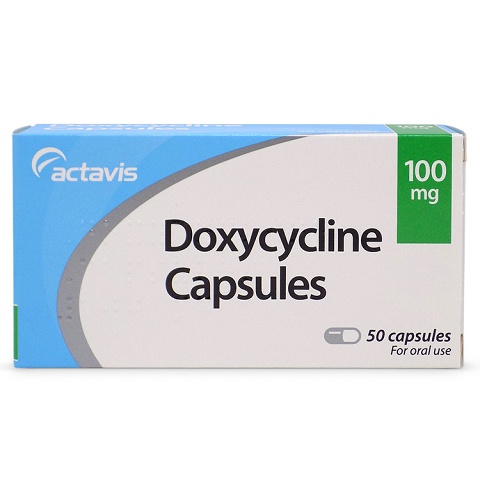
Can Doxycycline Be Obtained Without a Prescription in the United States?
No, Doxycycline is only available by prescription in the United States. You must consult a licensed healthcare provider to obtain Doxycycline from a pharmacy.
Key Takeaways: What You Need to Know About Doxycycline in the United States
- Doxycycline is a prescription-only antibiotic in the United States.
- It is most suitable for treating bacterial infections such as respiratory tract infections, acne, Lyme disease, and more, under a doctor’s supervision.
- Results may be seen within a few days, but completing the full treatment course is essential even if symptoms improve early.
- The most important safety consideration is the risk of serious side effects, including increased sensitivity to sunlight and potential for gastrointestinal upset.
- If you experience severe side effects—such as difficulty breathing, severe rash, or vision changes—seek medical attention immediately.
- Always consult a healthcare provider before starting or stopping Doxycycline, especially if you have liver or kidney disease, are pregnant, or are breastfeeding.
How Does Doxycycline Work? Understanding Its Mechanism
Doxycycline belongs to the tetracycline class of antibiotics. Its main action is the inhibition of bacterial protein synthesis by binding to the 30S ribosomal subunit of susceptible bacteria. This prevents aminoacyl-tRNA from attaching to the ribosome, effectively halting the addition of new amino acids to the growing peptide chain (FDA).
As a result, bacteria cannot produce the essential proteins they need to grow and multiply, leading to their eventual death or inability to propagate. Unlike bactericidal antibiotics, Doxycycline is primarily bacteriostatic, meaning it stops bacteria from multiplying but does not directly kill them.
To visualize this process, imagine bacteria as workers on an assembly line. Doxycycline steps in and prevents new workers from joining the line. Without enough workers, the production (protein synthesis) slows and stops, leaving bacteria unable to function.
Myth vs Reality:
- Myth: Doxycycline kills all bacteria instantly.
- Reality: Doxycycline stops bacteria from multiplying, allowing your immune system to finish clearing the infection.
Doxycycline’s activity is not dependent on food intake, but its absorption can be affected by certain minerals (see food interaction details below). Its antibacterial effect begins within hours of the first dose, but clinical improvement may take several days.
Clinical Application: Doxycycline is commonly prescribed for respiratory tract infections, skin and soft tissue infections, sexually transmitted infections (such as chlamydia), tick-borne illnesses (like Lyme disease), malaria prophylaxis, and acne (PubMed).
Expectations vs Reality: What Patients Often Misunderstand About Doxycycline Results
As a physician, I frequently encounter patients who expect immediate relief after starting antibiotics like Doxycycline. It’s important to understand that symptom improvement may take 48–72 hours, and some conditions—such as acne or certain tick-borne diseases—require even more patience. Many people also incorrectly assume that feeling better means the infection is gone, so they stop treatment early, risking relapse or antibiotic resistance. Rarely do patients ask how to recognize an allergic reaction or what to do if a dose is missed, yet these are critical safety issues. I always encourage patients to ask about follow-up, potential drug interactions, and how to monitor for side effects, since these topics can have a big impact on treatment success.
How Should Doxycycline Be Taken? Dosage and Duration
Dosing varies depending on the infection and patient age/weight. For most adult infections, the typical starting dose is 100 mg twice daily on the first day, followed by 100 mg once or twice daily. In uncomplicated cases (such as acne), 50–100 mg once daily may be sufficient. Some infections, like severe respiratory or tick-borne illnesses, may require up to 200 mg daily in divided doses.
- Maximum daily dose: 200 mg (adults) should not be exceeded unless specifically directed by a doctor.
- Children: Use in children under 8 is generally avoided due to risk of permanent tooth discoloration and enamel hypoplasia.
- Elderly patients: No routine dose adjustment is needed but monitor closely for gastrointestinal side effects and kidney/liver function.
- Renal/hepatic impairment: Doxycycline is mostly excreted by the gut, so dose adjustment is rarely needed, but caution is warranted in severe liver disease.
When does Doxycycline reach peak effect? Blood levels peak about 2–3 hours after oral administration. The clinical effect, such as reduction in fever or pain, is often noticeable after 48–72 hours.
How long does the effect last? Doxycycline has a half-life of 18–22 hours, so its effect persists for about a day after each dose.
Swallowing instructions: Always swallow tablets or capsules with plenty of water and remain upright for at least 30 minutes afterward to prevent esophageal irritation or ulceration. Do not crush or split delayed-release or enteric-coated formulations.
Missing a dose: Take as soon as remembered unless it’s nearly time for the next dose. Do not double up.
Doxycycline and Food, Alcohol, and Daily Habits
Food: Doxycycline can be taken with or without food, but taking it with a light meal or snack may help reduce stomach upset. Iron, calcium, magnesium, aluminum, and zinc supplements (including antacids, dairy products, and some multivitamins) can bind to doxycycline and dramatically reduce its absorption. Ideally, separate these by at least 2 hours before or after taking Doxycycline.
Alcohol: Moderate alcohol use does not significantly reduce Doxycycline’s effectiveness, but heavy or chronic alcohol use may increase liver risk (Mayo Clinic). For safety, limit or avoid alcohol during therapy.
Grapefruit juice: There is no clinically significant interaction between doxycycline and grapefruit juice, unlike with some other antibiotics.
Sunlight: Doxycycline increases sensitivity to sunlight and UV light, raising the risk for severe sunburn. Use sunscreen, protective clothing, and avoid tanning beds.
Who Should Not Take Doxycycline? Contraindications Explained
- Absolute contraindications:
- Known allergy or hypersensitivity to doxycycline, tetracycline antibiotics, or any excipients (inactive ingredients) in the formulation.
- Children under 8 years (except for limited, life-threatening infections)—risk of permanent tooth discoloration and dental enamel hypoplasia.
- Pregnant women, especially in the second and third trimester, unless benefits outweigh risks (can affect fetal bone and teeth development).
- Severe hepatic (liver) insufficiency—risk of exacerbating liver dysfunction.
- Relative contraindications (use with caution):
- History of esophageal disorders (risk of ulceration or perforation—take with water and remain upright).
- Myasthenia gravis (may worsen muscle weakness).
- Lactating women (enters breast milk; consult pediatrician before use in breastfeeding).
- Individuals using oral retinoids (e.g., isotretinoin) due to risk of increased intracranial pressure.
Drug interactions to watch for: Anticoagulants (may enhance bleeding), oral contraceptives (efficacy may be reduced, though evidence is mixed), penicillins (antagonism), and medications affecting liver metabolism.
Always inform your doctor of all current medications and health conditions before starting Doxycycline.
What Side Effects Are Most Common With Doxycycline?
- Very common (>1/10):
-
- Gastrointestinal upset: nausea, vomiting, diarrhea, epigastric pain
- Photosensitivity reactions (sunburn, rash after sun exposure)
- Common (1/100–1/10):
-
- Esophagitis, esophageal ulceration (especially if taken without enough water or lying down)
- Skin rash, itching
- Headache
- Loss of appetite
- Rare (1/10,000–1/1,000):
-
- Hypersensitivity reactions (hives, facial swelling, severe rash)
- Increased intracranial pressure (pseudotumor cerebri), presenting as severe headache, vision changes
- Blood disorders—thrombocytopenia, hemolytic anemia
- Very rare (<1/10,000):
-
- Serious anaphylactic reactions
- Liver injury or hepatitis
- Kidney dysfunction
If you develop shortness of breath, swelling of the face or tongue, severe diarrhea (especially with blood or mucus), persistent headache, or vision changes, stop the medication immediately and seek emergency care.
Most side effects are mild and resolve after completing therapy. Photosensitivity is preventable with sun protection. Esophageal irritation is avoidable by following proper administration instructions.
Common Pitfalls: Mistakes Patients Make When Using Doxycycline
- Stopping the medication early: Many patients discontinue Doxycycline as soon as symptoms improve. This can lead to incomplete eradication of bacteria, risk of relapse, or development of antibiotic resistance. Always complete the full prescribed course.
- Taking it with calcium-rich foods or supplements: Dairy products, antacids, and some multivitamins can reduce absorption. Space these at least two hours apart from your dose.
- Lying down immediately after swallowing: Increases risk of esophageal irritation or ulcers. Remain upright for at least 30 minutes after taking each dose.
- Ignoring sun precautions: Underestimating the risk of sunburn can lead to severe burns. Use SPF 30+ sunscreen and protective clothing.
- Missing doses and then doubling up: Doubling the next dose increases side effect risk. If you miss a dose, simply take the next one as scheduled.
- Not reporting new symptoms: Mild side effects are common, but severe headache, vision changes, or allergic reactions require prompt medical attention. Inform your doctor if you notice anything unusual.
How Does Doxycycline Compare to Other Antibiotics?
Doxycycline is most often compared to minocycline (another tetracycline) and azithromycin (a macrolide). Here’s how they stack up based on speed, duration, cost, and side effects:
| Parameter | Doxycycline | Minocycline | Azithromycin |
|---|---|---|---|
| Usual Adult Dose | 100 mg 1–2× daily | 100 mg 1–2× daily | 500 mg day 1, then 250 mg daily (x4 days) |
| Onset of Action | 24–48 hours | 24–48 hours | 24 hours |
| Half-life | 18–22 hrs | 16 hrs | 68 hrs |
| Common Side Effects | GI upset, photosensitivity | GI upset, dizziness, skin pigmentation | GI upset, QT prolongation |
| Estimated Price per Course (USD) | $10–$25 (generic) | $30–$60 | $20–$40 |
| Major Advantages | Well-tolerated, broad coverage, low cost | Better for resistant acne, less sun sensitivity | Shorter course, less frequent dosing |
| Major Limitations | Sun sensitivity, dental effects in children | Dizziness, vestibular effects | More cardiac risks, expensive brand |
Doxycycline: Key Characteristics Table
| Parameter | Value |
|---|---|
| Formulations Available | Tablets, capsules, suspension, injectable (rarely in U.S.) |
| Usual Adult Dose | 100 mg once/twice daily |
| Half-life (T1/2) | 18–22 hours |
| Storage | Room temperature, away from light/humidity |
| Prescription Required U.S. | Yes |
| Typical Treatment Duration | 5–28 days, varies by infection |
Compatibility of Doxycycline With Other Medications and Products
| Type of Product | Can It Be Combined? | Consequences |
|---|---|---|
| Acetaminophen (Tylenol) | Yes | No significant interaction |
| Oral contraceptives | Cautiously | Efficacy may be reduced—use backup contraception |
| Iron supplements | No | Reduces Doxycycline absorption |
| Calcium/magnesium (antacids, dairy) | No | Reduces Doxycycline absorption |
| Warfarin (blood thinner) | Cautiously | May increase risk of bleeding—monitor INR |
| Penicillin antibiotics | No | Mutual antagonism—avoid co-administration |
Step-by-Step: Getting Doxycycline in the United States
- Step 1: Medical consultation. Schedule an appointment with your physician, an urgent care clinic, or a telehealth provider. In the U.S., telemedicine for common infections is increasingly available in major cities like New York, Los Angeles, and Chicago.
- Step 2: Clinical assessment. The provider will review your symptoms, medical history, current medications, and may order or review necessary tests.
- Step 3: Prescription issued. If deemed appropriate, your doctor will send a prescription directly to your preferred pharmacy (retail or mail-order).
- Step 4: Pharmacy fulfillment. Present your ID and insurance card (if applicable) at the pharmacy. Your medication will be dispensed after pharmacist review. Some insurance plans cover Doxycycline with a small copay; uninsured patients pay out-of-pocket.
- Step 5: Counseling and follow-up. Pharmacists provide essential administration and safety instructions. Schedule any necessary follow-up appointments to monitor response or side effects.
Note: Never use leftover antibiotics from previous prescriptions. Each infection requires individualized treatment.
Identifying Legitimate Pharmacies for Doxycycline in the United States
Only purchase Doxycycline from licensed pharmacies regulated by your state’s Board of Pharmacy or the FDA. In the U.S., legitimate online pharmacies are certified through the NABP’s .pharmacy program or display the VIPPS logo.
- Check that the pharmacy requires a valid prescription and provides access to a licensed pharmacist.
- Avoid websites that offer prescription medications without a prescription, ship from overseas, or do not list a physical U.S. address and phone number.
- Verify the pharmacy’s license using your state pharmacy board’s online database.
- Be cautious of unusually low prices, unsolicited email offers, or sites that lack clear privacy policies.
Counterfeit medications are a real risk with unregulated online sellers and may contain incorrect dose, dangerous contaminants, or no active ingredient at all (FDA).
Spotting Counterfeit Doxycycline and Understanding Generics
How to Recognize Original vs Counterfeit Doxycycline
- Original Doxycycline tablets/capsules are uniform in color, shape, and markings. U.S. generics are required to meet FDA standards for appearance and labeling.
- Packaging should include manufacturer’s name, batch/lot number, NDC number, and expiration date. Blisters or bottles should be sealed and intact.
- Counterfeits may have unclear imprints, misspelled words, generic-looking or damaged packaging, and may lack a proper lot number or expiry date.
- Price far below typical U.S. retail range ($10–$25 per course) is a warning sign.
- Some manufacturers include QR codes or holograms for verification—scan with your phone to check authenticity (increasingly common in 2025–2026).
Brand vs Generic Doxycycline: Is There a Difference?
Generics contain the same active ingredient, dose, and efficacy as branded products, but may use different excipients (fillers, binders, coloring) which rarely cause allergic reactions. All generics must pass FDA bioequivalence testing. Generics are less expensive and widely used in the U.S. Discuss with your pharmacist if you have known allergies to certain dyes or fillers.
Myth vs Reality:
- Myth: Generics are less effective or lower quality.
- Reality: FDA-approved generics work as effectively as the original brand—at a better price for most patients.
Special Considerations for Specific Patient Groups
- Pregnancy: Doxycycline is generally avoided, especially after the first trimester, due to potential effects on fetal bone and teeth development.
- Breastfeeding: Small amounts pass into breast milk. Use only if clearly needed and under pediatric guidance.
- Children under 8: Avoid except for certain life-threatening conditions due to risk of permanent dental effects.
- Liver or kidney disease: Doxycycline is primarily eliminated by the gut, but severe hepatic impairment may require dose adjustment or alternative antibiotics.
- Older adults: Monitor for gastrointestinal and skin side effects. No routine dose adjustment for age alone.
- Ability to drive/use machinery: Doxycycline does not typically impair alertness or coordination. If you experience dizziness or severe headache, avoid driving until resolved.
- Fertility: No evidence that Doxycycline affects fertility in men or women with short-term use. Long-term effects have not been extensively studied.
Doxycycline Metabolism: Pharmacokinetics Made Simple
Absorption: Doxycycline is highly absorbed (over 90%) after oral administration. Peak blood concentration occurs within 2–3 hours.
Distribution: It is widely distributed throughout the body, including the lungs, skin, and genitourinary tract. It readily crosses the placenta and appears in breast milk.
Metabolism and elimination: Doxycycline is only minimally metabolized in the liver. Most of the drug is excreted unchanged in the feces via the bile, with 20–40% eliminated by the kidneys.
Half-life: The half-life is 18–22 hours in healthy adults. It may be prolonged in severe liver dysfunction.
Clinical relevance: Since the drug is primarily eliminated through the gut, it is safer than many alternatives in mild kidney disease but must be used with caution in severe liver disease.
What to Do in Case of Doxycycline Overdose
- Stop Doxycycline immediately.
- Call emergency services (911) or your local Poison Control Center at 1-800-222-1222 in the United States.
- Provide the medical professional with the exact dose and formulation taken, along with the time of ingestion.
- Do not try to induce vomiting or take any home remedies unless instructed by a healthcare provider.
- Bring the medication packaging with you to the emergency facility.
Symptoms of overdose may include severe nausea, vomiting, diarrhea, rapid heartbeat, confusion, or seizures. Prompt medical evaluation is essential.
Acknowledging the Emotional Side: Psychological Support
If you are struggling with a persistent infection or long-term condition treated by Doxycycline, remember that these issues are common and manageable. Many people experience anxiety about treatment or worry about side effects. It’s normal to have concerns—discuss them openly with your doctor or a trusted professional. Support from loved ones can help you stay on track with therapy.
Questions Patients Often Ask doctor About Doxycycline Treatment
- How will I know if Doxycycline is working for my infection?
- You’ll typically notice symptom improvement—such as less pain, swelling, or fever—within 48–72 hours. For acne or chronic conditions, visible improvement may take weeks. If symptoms worsen or don’t improve as expected, contact your provider for reassessment.
- Can I continue my usual medications with Doxycycline?
- Most medicines are compatible, but some (like antacids, iron, calcium, warfarin, or penicillins) can interact. Always inform your doctor and pharmacist about your current medications so adjustments can be made if needed.
- What should I do if I miss a dose?
- If you forget a dose, take it as soon as you remember—unless it’s close to your next scheduled dose. Never double your next dose to compensate.
- How long will I need to take Doxycycline?
- The duration depends on your diagnosis—most infections require 7–14 days, while acne or chronic conditions may require longer. Your doctor will provide a plan specific to your case.
- Will Doxycycline affect my birth control?
- Doxycycline may potentially reduce the effectiveness of oral contraceptives. While this risk is low, it’s prudent to use backup contraception during therapy and for a week after stopping.
- Can I stop treatment if I feel better?
- No, always complete the prescribed course. Stopping early increases the chance of relapse and antibiotic resistance.
- What should I watch for during therapy?
- Report any severe rash, difficulty breathing, persistent headache, vision changes, or severe gastrointestinal upset immediately. Routine side effects like mild nausea or photosensitivity can often be managed with lifestyle adjustments.
doctor’s Clinical Assessment: Who Benefits Most From Doxycycline Therapy?
In my clinical practice, Doxycycline is a reliable antibiotic choice for patients with confirmed or suspected bacterial infections where tetracyclines are indicated—such as tick-borne diseases (Lyme, ehrlichiosis), atypical respiratory tract infections, some sexually transmitted infections, and moderate-to-severe inflammatory acne. It is particularly useful when penicillin allergies limit other options. However, I generally avoid it in pregnant women (unless benefits clearly outweigh risks), children under 8, and those with significant liver dysfunction. Patients with a history of photosensitivity, or those unable to comply with sun protection, may not be ideal candidates. In settings with high risk of resistant organisms or severe, rapidly progressing infections, I might consider alternative or additional agents. Ultimately, Doxycycline’s value lies in its broad coverage, safety profile, and oral convenience, but careful patient selection and ongoing monitoring are critical for optimal outcomes.
FAQ: Doxycycline Use in the United States
- Is Doxycycline effective for all types of infections?
- No, Doxycycline only works against susceptible bacteria. It will not treat viral infections such as colds or the flu. Always rely on your doctor’s diagnosis.
- How much does Doxycycline cost in the United States?
- Generic Doxycycline usually costs $10–$25 per treatment course, depending on the pharmacy and insurance coverage. Branded versions may cost more.
- Do I need a prescription for Doxycycline?
- Yes, a valid prescription from a licensed healthcare provider is required in the United States.
- How quickly does Doxycycline start to work?
- Most people notice improvement within 48–72 hours for acute infections. Acne or chronic conditions may take several weeks for visible results.
- Can I take Doxycycline with food?
- Yes, but avoid taking it with dairy products or antacids, which can reduce absorption. Light meals are generally fine.
- What are the most common side effects?
- Nausea, diarrhea, and increased sun sensitivity are most common. Taking with food and practicing sun protection can reduce risk.
- Is Doxycycline safe during pregnancy or breastfeeding?
- Doxycycline is generally avoided in pregnancy and breastfeeding. If prescribed, careful monitoring and consultation with your doctor are essential.
- Can I buy Doxycycline online?
- Yes, but only from licensed U.S. pharmacies that require a prescription. Avoid sites that offer Doxycycline without a prescription, as these may sell counterfeit or unsafe products.
- What should I do if I experience side effects?
- For mild symptoms, follow your doctor’s advice. For severe reactions (e.g., difficulty breathing, severe rash, vision changes), stop medication and seek immediate medical care.
- Can Doxycycline be used for malaria prevention?
- Yes, Doxycycline is one of the standard malaria prophylaxis drugs for certain destinations. Your travel clinic or doctor can advise on the correct regimen.
References
- FDA, “Doxycycline Label Information,” accessed June 2026. https://www.fda.gov/
- Mayo Clinic, “Doxycycline (Oral Route) Description and Brand Names,” accessed June 2026. https://www.mayoclinic.org/
- PubMed, “Recent updates on tetracycline antibiotics,” accessed June 2026. https://pubmed.ncbi.nlm.nih.gov/
- National Association of Boards of Pharmacy, “.pharmacy Verified Websites,” accessed June 2026. https://nabp.pharmacy/
- Centers for Disease Control and Prevention (CDC), “Tickborne Diseases of the United States,” accessed June 2026. https://www.cdc.gov/
- World Health Organization (WHO), “Essential Medicines List,” accessed June 2026. https://www.who.int/