
- Home/
- Buy Lasix at Low Price in United States Online
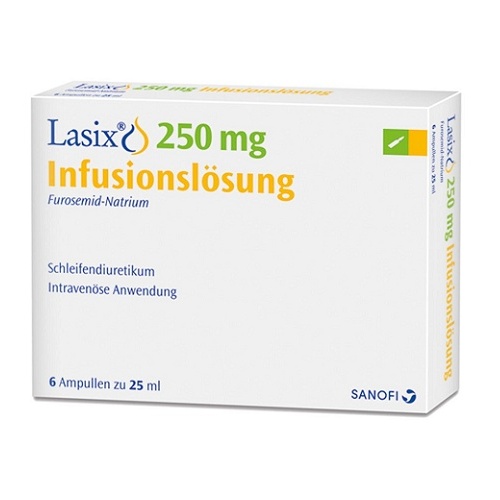
Can I Get Lasix (Furosemide) Without a Prescription in the United States?
No, you cannot legally obtain Lasix without a prescription in the United States. Lasix (furosemide) is a prescription medication regulated by the U.S. Food and Drug Administration (FDA), and dispensing without a valid prescription is both unsafe and illegal. If a pharmacy or online seller offers Lasix without requiring a prescription, it is likely operating outside U.S. law and may be distributing counterfeit or unsafe products.
Key Takeaways: Lasix (Furosemide) in the United States
- Active Ingredient: Furosemide
- Category: Loop diuretic (used primarily for edema, heart failure, hypertension)
- Prescription Status: Prescription-only (Rx) in the U.S.
- Onset of Action: 30–60 minutes (oral), 5 minutes (IV)
- Main Contraindication: Severe electrolyte imbalances, anuria, sulfa allergy
- Typical U.S. Price: $7–$25 for 30 tablets (20–40 mg generic)
- Insurance Coverage: Commonly covered by Medicare, Medicaid, and most private plans
How Does Lasix Work? (Mechanism of Action Explained)
Lasix (furosemide) is classified as a loop diuretic. Its primary action is on the thick ascending limb of the loop of Henle in the kidney. Specifically, Lasix inhibits the Na+-K+-2Cl– co-transporter. By blocking this transporter, Lasix prevents the reabsorption of sodium, chloride, and potassium ions, leading to increased excretion of these electrolytes along with water.
The result? Rapid diuresis (increased urine production), which decreases fluid overload in tissues and the bloodstream. This is crucial in treating edema (fluid retention), heart failure, liver cirrhosis, and sometimes for acute high blood pressure. Because Lasix acts independently of acid-base or anti-diuretic hormone (ADH) status, it remains effective even when kidney function is somewhat reduced, provided urine production is still possible. However, it doesn’t treat the underlying disease—only the symptom of excess fluid.
Simplified Metaphor: Think of Lasix like a high-powered dam release: it opens the gates in the kidneys, flushing out water and salts, helping ‘dry out’ tissues that have become waterlogged.
Does Lasix require special triggers to work? No, it acts directly on the transporter regardless of dietary salt intake, but its effect is blunted if kidneys are unable to produce urine (anuria).
Expert Commentary from doctor
In my clinical practice, a frequent misunderstanding is the belief that more Lasix always equals better results. In reality, exceeding a patient’s optimal dose can rapidly lead to dehydration and severe electrolyte loss, especially potassium and magnesium. I’ve often seen patients cut back on dietary salt while on Lasix, fearing fluid retention, but this isn’t always necessary and can cause dangerous sodium depletion. Monitoring kidney function and electrolytes is essential—every refill should prompt a quick check or at least a conversation about symptoms like muscle cramps or dizziness. Remember, Lasix is a powerful tool but requires regular oversight; skipped labs or dose adjustments without professional input are a recipe for trouble.
How to Take Lasix: Dosing, Onset, and Duration
| Parameter | Details |
|---|---|
| Typical Adult Dose (oral) | 20–80 mg once daily; adjusted as needed |
| Maximum Dose (oral) | 600 mg/day (rarely used in practice) |
| Pediatric Dose | 1–2 mg/kg (max 6 mg/kg/day) |
| Onset (oral) | 30–60 minutes |
| Onset (IV) | 5 minutes |
| Peak Effect | 1–2 hours |
| Duration | 6–8 hours (oral) |
| Half-life (T1/2) | 30–120 minutes (adults) |
| Tablet Splitting | Permitted (scored tablets); extended-release forms must NOT be split |
Lasix is best taken in the morning to avoid nighttime urination. For heart failure or severe edema, a second dose may be given early afternoon. The dose must be individualized—higher doses for severe fluid overload, lower for elderly or those with renal impairment. Always follow your doctor’s instructions. Never double up if you miss a dose; just take the next one as scheduled unless advised otherwise.
Food, Alcohol, and Lifestyle Interactions with Lasix
Can I take Lasix with meals?
Lasix can be taken with or without food. Taking it with food may slightly delay absorption but does not affect the overall amount absorbed. Fatty meals may slow the onset by 15–30 minutes, but this is not clinically significant for most users.
Alcohol and Lasix: Is It Safe?
Combining Lasix with alcohol is not advised. Both substances lower blood pressure and may cause dehydration, dizziness, fainting, or even dangerous heart rhythms. A standard drink (14 grams alcohol) can intensify diuretic effects and electrolyte loss. For patients on chronic Lasix therapy, complete abstinence or strict moderation (<1 drink/day) is recommended.
Other Dietary Precautions
- Grapefruit juice: Does not significantly interact with furosemide (unlike some other drugs).
- Salt intake: Excessive salt reduces Lasix effectiveness; too little may cause hyponatremia. Follow your doctor’s advice.
- Potassium-rich foods: May help counter potassium loss (bananas, oranges), but supplements should only be taken if prescribed.
Who Should NOT Take Lasix? Contraindications Explained
- Absolute Contraindications
-
- Anuria: No urine output—Lasix is ineffective and risky.
- Severe electrolyte depletion: Especially low potassium or sodium.
- Hypovolemia: Dehydrated patients may develop shock.
- Known hypersensitivity: Allergy to furosemide or sulfonamides.
- Hepatic coma: Risk of worsening brain swelling (encephalopathy).
- Relative Contraindications
-
- Severe renal impairment: Use lower doses and close monitoring.
- Gout: Lasix may increase uric acid.
- Pregnancy and breastfeeding: Only if absolutely necessary (category C, limited human data).
- Unstable cardiac arrhythmias: Risk of electrolyte-triggered arrhythmias.
- Diabetes: May worsen blood sugar control.
Drug interactions to avoid: Lasix should not be combined with aminoglycoside antibiotics (increased risk of hearing loss), lithium (toxicity risk), or certain antihypertensives without close monitoring. Discuss all medications and supplements with your physician.
What Side Effects Are Most Common with Lasix?
Side Effects by Frequency (Based on WHO Classification)
- Very Common (>10% of patients):
- Increased urination (polyuria)
- Low potassium (hypokalemia) and sodium (hyponatremia)
- Dehydration (dry mouth, lightheadedness)
- Common (1–10%):
- Dizziness, headache
- Muscle cramps
- Increased blood sugar (hyperglycemia)
- Increase in uric acid (risk of gout)
- Temporary hearing changes (especially with IV)
- Rare (<1%):
- Severe allergic reactions (skin rash, itching, anaphylaxis)
- Severe low blood pressure (hypotension)
- Kidney failure (especially in pre-existing kidney disease)
- Very Rare (<0.1%):
- Irreversible hearing loss (high IV doses)
- Pancreatitis
- Aplastic anemia
- Severe dehydration leading to shock
What to do if side effects occur?
- Mild: Contact your doctor to review dose, labs, and hydration.
- Severe symptoms (collapse, confusion, severe weakness): Call 911 immediately.
- Allergic reactions: Stop the medication and seek emergency care.
Common Patient Mistakes Observed by doctor
- Stopping Lasix abruptly without medical advice: Sudden cessation can cause fluid rebound and worsen heart failure or edema. Always taper under supervision.
- Over-restricting salt or water: Some patients, fearful of swelling, severely limit salt or fluids while on Lasix, leading to dangerous electrolyte imbalances. Adhere to your doctor’s specific recommendations.
- Doubling up on missed doses: Skipping a dose and then taking double to “catch up” increases dehydration and kidney risk. Instead, take the next scheduled dose.
- Not monitoring labs: Many patients fail to get regular blood tests for electrolytes and kidney function. This can allow silent, serious complications to develop.
- Taking Lasix late in the day: Leads to nocturia (nighttime urination), disrupting sleep and increasing fall risk, especially in older adults.
- Using over-the-counter NSAIDs (like ibuprofen) while on Lasix: These drugs can blunt diuretic effect and damage kidneys. Always inform your provider of ALL medications and supplements.
Lasix vs Alternatives: How Does It Compare?
| Drug | Onset (Oral) | Duration | Key Side Effects | Typical Price (30 tablets) | Notes |
|---|---|---|---|---|---|
| Lasix (Furosemide) | 30–60 min | 6–8 hrs | Hypokalemia, dehydration, ototoxicity (IV) | $7–$25 (generic) | Most widely used; available as generic |
| Bumex (Bumetanide) | 30–60 min | 4–6 hrs | Similar to Lasix, may be more potent mg-for-mg | $30–$65 (generic) | Used for Lasix-resistant patients |
| Demadex (Torsemide) | 30–60 min | 12–16 hrs | Similar to Lasix, less likely to cause hypokalemia | $15–$40 (generic) | Preferred in some cases for once-daily dosing |
| Hydrochlorothiazide (HCTZ) | 2 hrs | 6–12 hrs | Less potent, used for hypertension | $5–$12 (generic) | Not for severe edema |
Bottom line: Lasix is fast-acting, affordable, and flexible. Torsemide may offer longer action and better adherence for some, but often at a higher price. Always select based on the specific clinical scenario—not just price or brand.
Questions Frequently Asked to doctor
- Can I take Lasix every day?
- For chronic conditions like heart failure, yes—if your doctor prescribes it. Some patients only require intermittent use. Never adjust frequency without consulting your provider.
- What should I do if I miss a dose?
- Skip the missed dose and continue with your regular schedule. Do not double up, as this increases risk of dehydration and low blood pressure.
- Is it safe to drink alcohol occasionally while on Lasix?
- It’s best to minimize or avoid alcohol, as it can worsen dehydration and cause sudden blood pressure drops. If you do drink, be mindful of symptoms and discuss with your doctor.
- Can Lasix interact with my blood pressure or diabetes medicines?
- Yes. It may potentiate the effect of blood pressure drugs, risking hypotension. It can also affect blood sugar regulation. Tell your doctor all of your medications so they can monitor for interactions.
- Is Lasix safe for older adults?
- Older adults can be more sensitive to Lasix, with increased risk of dehydration, falls, and kidney issues. Lower starting doses and close monitoring are recommended.
- Can I take potassium supplements with Lasix?
- Only if advised by your provider. Lasix causes potassium loss, but unnecessary supplementation can also be harmful.
- Can Lasix be used in pregnancy or while breastfeeding?
- Lasix is not considered safe for routine use in pregnancy or breastfeeding except in life-threatening situations and only under specialist care.
Lasix: Quick Reference Table
| Feature | Value |
|---|---|
| Active Ingredient | Furosemide |
| Drug Class | Loop diuretic |
| Prescription Required (US) | Yes |
| Typical Dose | 20–80 mg daily (adjusted) |
| Onset (Oral) | 30–60 minutes |
| Duration of Action | 6–8 hours |
| Insurance Coverage | Medicare/Medicaid/private plans |
How to Obtain Lasix Legally in the United States (Step-by-Step)
- Consult a Healthcare Provider: Schedule an appointment with your primary care physician, cardiologist, or nephrologist. Telemedicine options are available in most states.
- Assessment and Diagnosis: The doctor will evaluate your medical history and may request labs to confirm need for Lasix.
- Prescription Issuance: If appropriate, your provider will send an electronic prescription directly to a U.S.-licensed pharmacy of your choice.
- Pick Up or Delivery: You may collect your medication at your local pharmacy (e.g., CVS, Walgreens) or use a reputable online/mail-order pharmacy—ensure it is NABP-certified (look for the .pharmacy domain).
- Insurance Processing: If insured, present your card for coverage. Medicare/Medicaid usually cover generic furosemide.
- Follow-Up: Schedule regular check-ins for lab monitoring and dose adjustments.
Important: Never attempt to purchase Lasix from overseas or unverified online sources. U.S. Customs may seize unauthorized medications, and you risk receiving counterfeit or unsafe products.
Is It Legal to Buy Lasix Online in the U.S.?
Yes, but only from licensed U.S. pharmacies that require a valid prescription. The FDA and NABP (National Association of Boards of Pharmacy) oversee online pharmacy legality in the U.S. Always check that the online pharmacy is certified (e.g., uses the .pharmacy domain or is listed at safe.pharmacy). Online sellers offering Lasix without a prescription are illegal and should be avoided due to risk of counterfeit drugs, legal consequences, and health risks.
Prescription is not bureaucracy—it’s patient protection. The check-up ensures Lasix is safe, appropriate, and that your lab work is up to date.
How to Recognize Authentic Lasix and Avoid Counterfeits
- Packaging: Genuine Lasix comes in a sealed, manufacturer-labeled box with a unique batch number and expiration date.
- Tablet appearance: White or off-white, round or oval, scored (if split is allowed), and imprinted with “Lasix” or “Furosemide” and dosage strength (e.g., “40”).
- Blister packs: High-quality, not flimsy; text is crisp, not blurred.
- Price: An unusually low price is a red flag. U.S. generic pricing rarely falls below $7 for 30 tablets.
- Security features: Check for holograms, QR codes, or tamper-evident features where available.
- Pharmacy verification: Only buy from NABP-verified U.S. pharmacies.
What are generics? Generic furosemide contains the same active ingredient and is FDA-approved as bioequivalent to branded Lasix. Inactive ingredients (excipients) may differ and rarely cause allergic reactions—consult your pharmacist if you have known sensitivities.
Compatibility: Lasix With Other Medicines and Foods
| Product/Drug | Combine? | Potential Consequence |
|---|---|---|
| Aspirin (low-dose) | Yes, with monitoring | May increase kidney risk |
| ACE inhibitors (e.g., Lisinopril) | Yes, with caution | Risk of very low blood pressure |
| Aminoglycosides (e.g., Gentamicin) | NO | High risk of hearing loss |
| Lithium | NO | Risk of lithium toxicity |
| NSAIDs (e.g., Ibuprofen) | Minimize | Reduces Lasix efficacy, kidney risk |
| Potassium supplements | Only if prescribed | Can correct or worsen imbalances |
| Alcohol | Minimize | Risk of dehydration and hypotension |
| Salt substitutes | With caution | May increase potassium dangerously |
What Should I Do in Case of Overdose?
- Stop taking Lasix immediately.
- Call 911 or your local emergency services (in the U.S.).
- Inform emergency staff: How much Lasix you took, when, and what symptoms you’re experiencing (e.g., severe weakness, confusion, rapid heartbeat, profound thirst, very low or no urination).
- Do not attempt to self-treat with fluids or other remedies unless specifically advised by a healthcare professional.
Potential overdose effects: Profound dehydration, electrolyte crisis, kidney shutdown, low blood pressure, or even coma/death if untreated.
Special Considerations: Older Adults, Chronic Disease, Fertility
- Older adults (65+): Start at the lowest effective dose. Monitor for confusion, falls, and kidney function changes. More susceptible to dehydration.
- Patients with liver disease: Increased risk of electrolyte disruption and hepatic encephalopathy. Use only under specialist care.
- Chronic kidney disease: Doses may need to be adjusted. Risk of further renal impairment.
- Fertility/pregnancy: No direct evidence that Lasix affects fertility, but is not recommended for women trying to conceive, pregnant, or nursing unless clearly needed.
- Operating machinery/driving: May cause dizziness or sudden blood pressure drops. Use caution until you know how Lasix affects you.
Original vs Generic Lasix: Which Is Safer or Better?
Both branded Lasix and FDA-approved generics (furosemide) have the same active ingredient and are considered equivalent in terms of effectiveness and safety. Generics are held to the same manufacturing and quality standards as the original, but inactive ingredients (excipients) can vary. Allergic reactions to these are rare but possible. In the United States, generics are usually much less expensive and widely covered by insurance plans.
How to choose? Ask your pharmacist if you have a history of drug allergies. If unsure, starting with the branded version is an option, but most patients do well with generics.
What Should I Do If Lasix Does Not Work?
- First, do not increase your dose without speaking to your provider.
- Lasix resistance can develop due to kidney function changes, salt intake, or drug interactions.
- Your doctor may check for adherence, review your medications, order labs, or switch to a different diuretic class or combination therapy.
- Don’t wait—persistent swelling, shortness of breath, or rapid weight gain should be reported immediately.
Psychological Support: Living with Edema and Chronic Disease
Managing edema, heart failure, or kidney issues isn’t just a physical challenge—it can be emotionally draining. You’re not alone. Many Americans face similar struggles, and with the right support, these conditions are manageable. If you feel overwhelmed, consider talking with your doctor, a counselor, or joining a support group. Open discussions with family members or caregivers often make a big difference in adherence and emotional well-being.
Professional Opinion of doctor
In my professional experience, Lasix is invaluable for patients with symptomatic fluid overload due to heart failure, advanced kidney or liver disease, or certain cases of hypertension. Those who benefit most are individuals whose edema impacts their daily function or breathing. The risks—including dehydration, electrolyte disturbances, and less commonly, hearing loss—are manageable when there are regular follow-ups and patient education. I strongly advise against using Lasix without clinical indication or self-adjusting the dose. In some cases (like mild hypertension or non-cardiac swelling), alternatives such as thiazide diuretics or dietary modification may be preferable. The key is individualized care and ongoing monitoring—no one-size-fits-all solution exists with diuretics of this potency.
FAQ: What Americans Want to Know About Lasix
- Can Lasix be purchased without a prescription in the US?
- No. Lasix is only available with a valid prescription from a licensed healthcare provider in the United States.
- How quickly does Lasix start working?
- Oral Lasix begins working within 30–60 minutes; IV forms act within 5 minutes.
- Is Lasix safe for use in elderly patients?
- Yes, but lower doses and careful monitoring are needed due to higher risk of dehydration and falls.
- Can Lasix be used daily?
- Yes, if prescribed for chronic conditions, but only under medical supervision with periodic lab checks.
- What should I do if I forget to take my dose?
- Take your next dose as scheduled—do not double up. Call your provider if you have questions.
- What are the most serious side effects of Lasix?
- Severe dehydration, dangerously low potassium/sodium, hearing loss (rare), and kidney injury. Seek immediate help for confusion, rapid heartbeat, or collapse.
- Can I drink alcohol while taking Lasix?
- Limit or avoid alcohol as it can worsen side effects like dehydration and low blood pressure.
- Does Lasix interact with other common medicines?
- Yes. NSAIDs, some blood pressure drugs, lithium, and certain antibiotics may cause adverse effects. Always discuss your medication list with your provider.
- Is generic furosemide as effective as Lasix brand?
- Yes. FDA-approved generics are considered equal in safety and effectiveness in the U.S.
- Can I buy Lasix from international or unregulated online sources?
- No. This is illegal and dangerous in the U.S. due to the risk of counterfeit medication and customs seizure.
References
- U.S. Food and Drug Administration (FDA). Lasix Prescribing Information. Accessed 2024. https://www.accessdata.fda.gov
- Mayo Clinic. Furosemide (Oral Route) – Description and Brand Names. Accessed June 2024. https://www.mayoclinic.org/drugs-supplements/furosemide-oral-route/description/drg-20070941
- PubMed. Furosemide: Mechanism of Action and Clinical Use. Accessed June 2024. https://pubmed.ncbi.nlm.nih.gov
- American Heart Association. Diuretic Medications for Heart Failure. Accessed June 2024. https://www.heart.org
- National Association of Boards of Pharmacy (NABP): Safe.Pharmacy. Accessed June 2024. https://safe.pharmacy
- ClinicalTrials.gov. Recent Studies on Furosemide. Accessed June 2024. https://clinicaltrials.gov